Smart Home Assistant

NodOn IRB-4-1-00 Review: Zigbee AC Infrared Controller for Home Assistant

SepehrBy Sepehr· 6 September 2026· Updated 7 September 2026
✓ Independent — no paid placements✓ UK-tested in real homes✓ Cited sources

This article contains affiliate links — see our disclosure policy.

NodOn IRB-4-1-00 Review: Zigbee AC Infrared Controller for Home Assistant
On this page[tap to expand]
Affiliate disclosure: Some links in this article are affiliate links. If you buy via one of these links, we may earn a small commission at no extra cost to you. This never affects our editorial decisions — see our affiliate policy.
Buy the picks in this guide

Recommended for Smart Heating

See all devices →
Shop these picks on our Amazon storefront →

The NodOn IRB-4-1-00 is a Zigbee 3.0 infrared controller that lets Home Assistant operate a split air conditioner or heat pump, with no rewiring of the AC itself. NodOn supplied this unit free for review; the verdict is ours alone. It's the easiest infrared-AC retrofit we've tested, though its built-in temperature sensor makes placement matter more than expected.

Verdict: Buy NodOn IRB-4-1-00
NodOn NodOn IRB-4-1-00 ✓ Works via ZHA / Zigbee2MQTT
  • Paired to ZHA in under a minute with one button press
  • USB-C powered — no batteries, no relay wiring into the AC
Check price at Amazon UK →

Pros

  • Genuinely plug-and-play: powers over USB-C, no rewiring or relay work on the AC itself
  • Paired to ZHA with a single button press, recognised in under a minute with no custom quirk or third-party component
  • Small enough to tuck into a corner near the AC unit without becoming a visible fixture
  • Bidirectional IR sync keeps the AC's original remote working alongside Home Assistant — provided you use an app-downloaded code and a remote with a temperature display
  • USB-C power means no batteries to plan around or replace, unlike most Zigbee sensors

Cons

  • Built-in temperature sensor means it can't just be tucked out of sight — NodOn wants it wall-mounted about 1.5m up, away from sunlight, draughts and enclosed spaces
  • Infrared range is only 5m, so it has to sit fairly close to the AC
  • Bidirectional status sync doesn't work with manually learned codes, or with remotes that don't display the temperature
  • Mains-power kit is sold separately if you don't want a visible USB cable
SpecNodOn IRB-4-1-00
ProtocolZigbee 3.0, 2.4 GHz (plus Bluetooth for app setup)
Hub requiredAny Zigbee 3.0 coordinator (ZHA, Zigbee2MQTT, etc.)
Power5V USB-C, or an optional IBH-4-1-00 230V AC mains kit sold separately
Control range17°C–30°C, 360° infrared emitter, up to 5m infrared range, up to 30m indoor Zigbee range
Dimensions / weight90 x 70 x 25.5mm, 67g
App/subscriptionNone required for Zigbee control; free NodOn Climate app used only for optional Bluetooth setup
Typical UK price£49.36 at Amazon UK at the time of writing — prices vary

What's in the box, and how do you install it?

Physical installation is about as close to zero-effort as a smart heating product gets: there's no valve to swap, no relay to wire into the AC's control board, and no plumber or electrician required. You get two ways to power it — a USB-C cable and adapter (not included) for a plug-in setup, or NodOn's separate IBH-4-1-00 kit that wires the controller directly into a Split's mains terminal block for a hidden install. NodOn's instructions are explicit that you should only ever connect one of the two at a time, never both. We used USB-C, and the convenience is the whole point: there's no battery to plan around or swap out in eighteen months, unlike almost every other Zigbee device in a typical Home Assistant setup — you plug it in once and it's powered for good.

Where you put it matters more than the plug-and-play framing suggests, because the controller has its own temperature sensor built into the back — that's the reading Home Assistant surfaces as the current temperature. NodOn's guidance is to wall-mount it about 1.5m from the floor, somewhere with good air circulation that's representative of the room's actual temperature, and to keep it clear of direct sunlight, draughts, cupboards and other enclosed spaces. It also needs to stay within 5m of the air conditioner with a clear path to the unit's IR receiver, since that's the controller's maximum infrared range. In practice that rules out the obvious hiding places: a sunny windowsill or the AC's own casing will both skew the temperature reading, and a cupboard puts you out of infrared range.

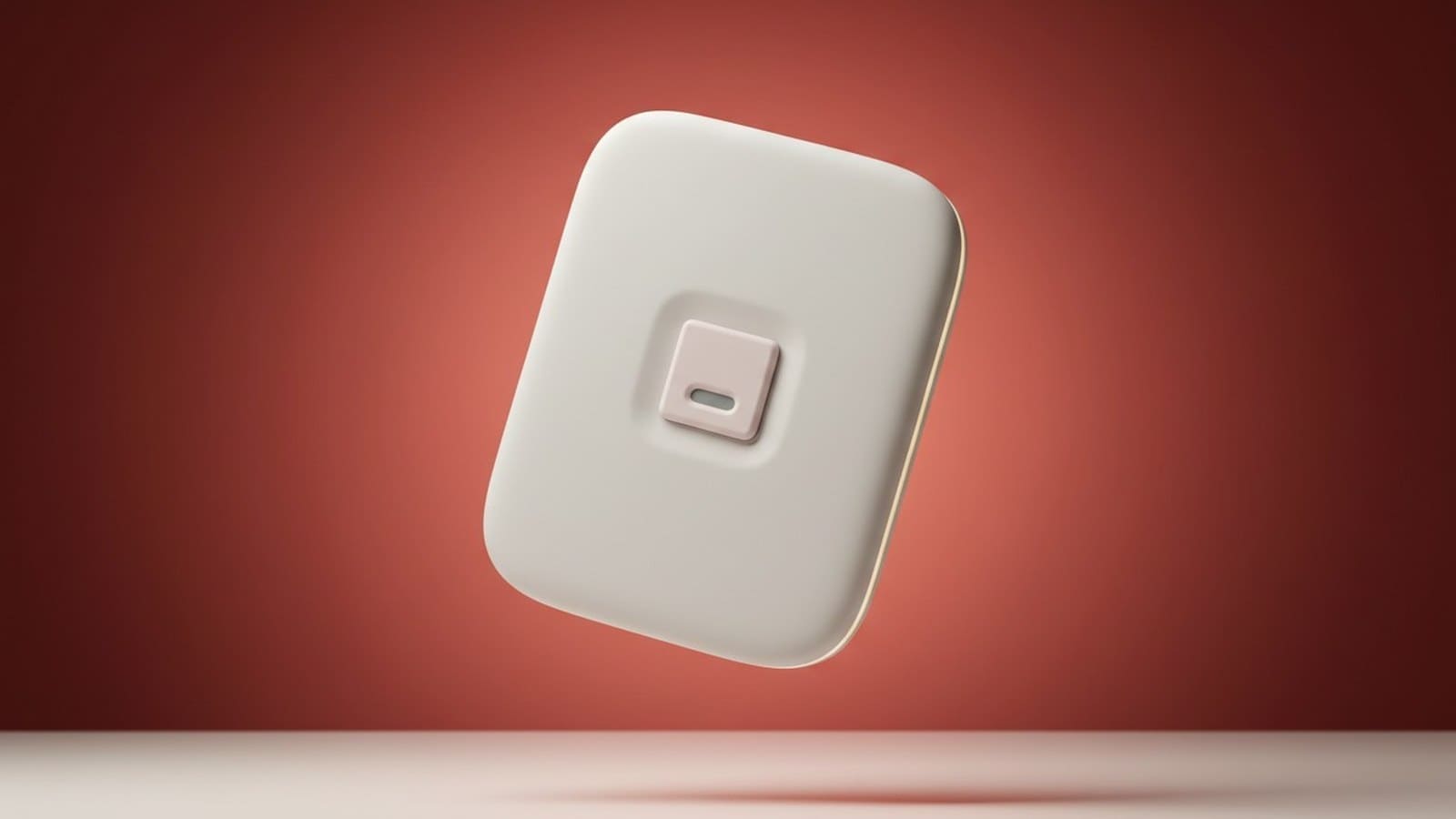
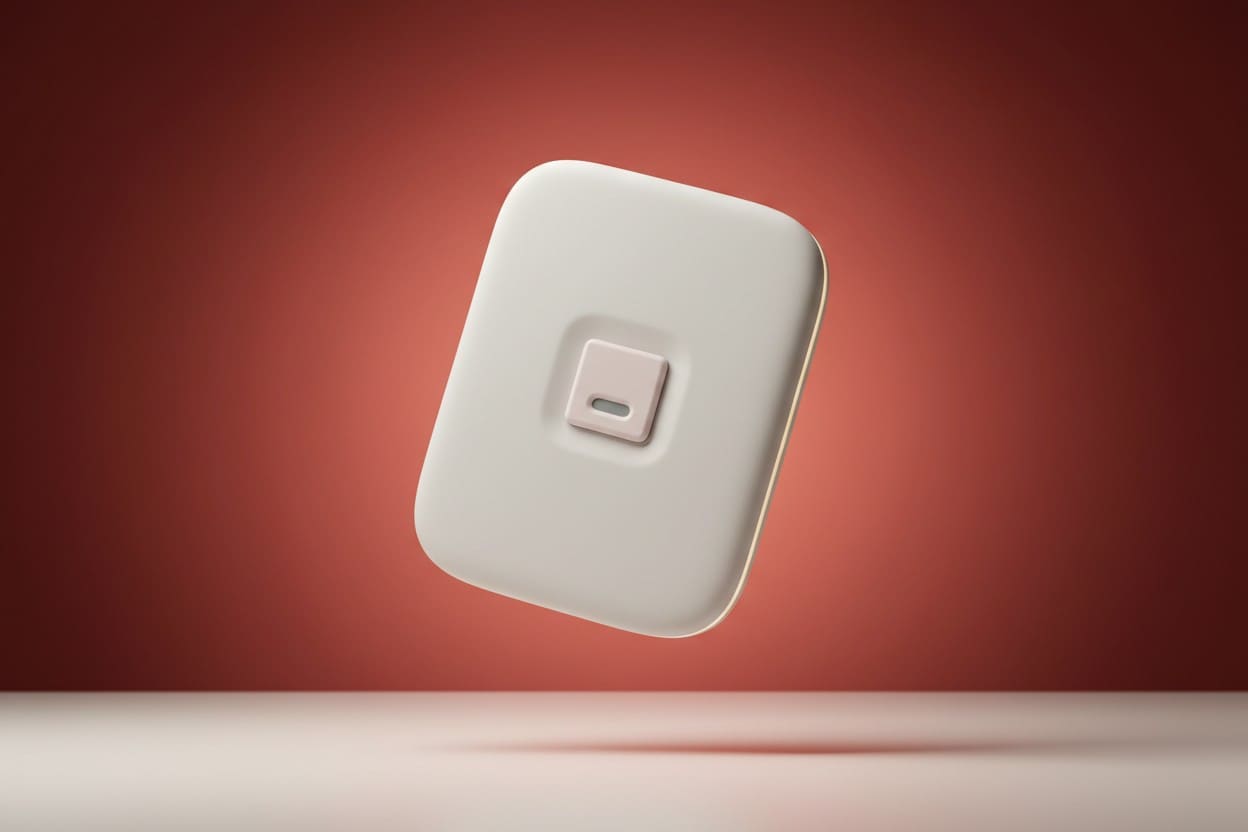
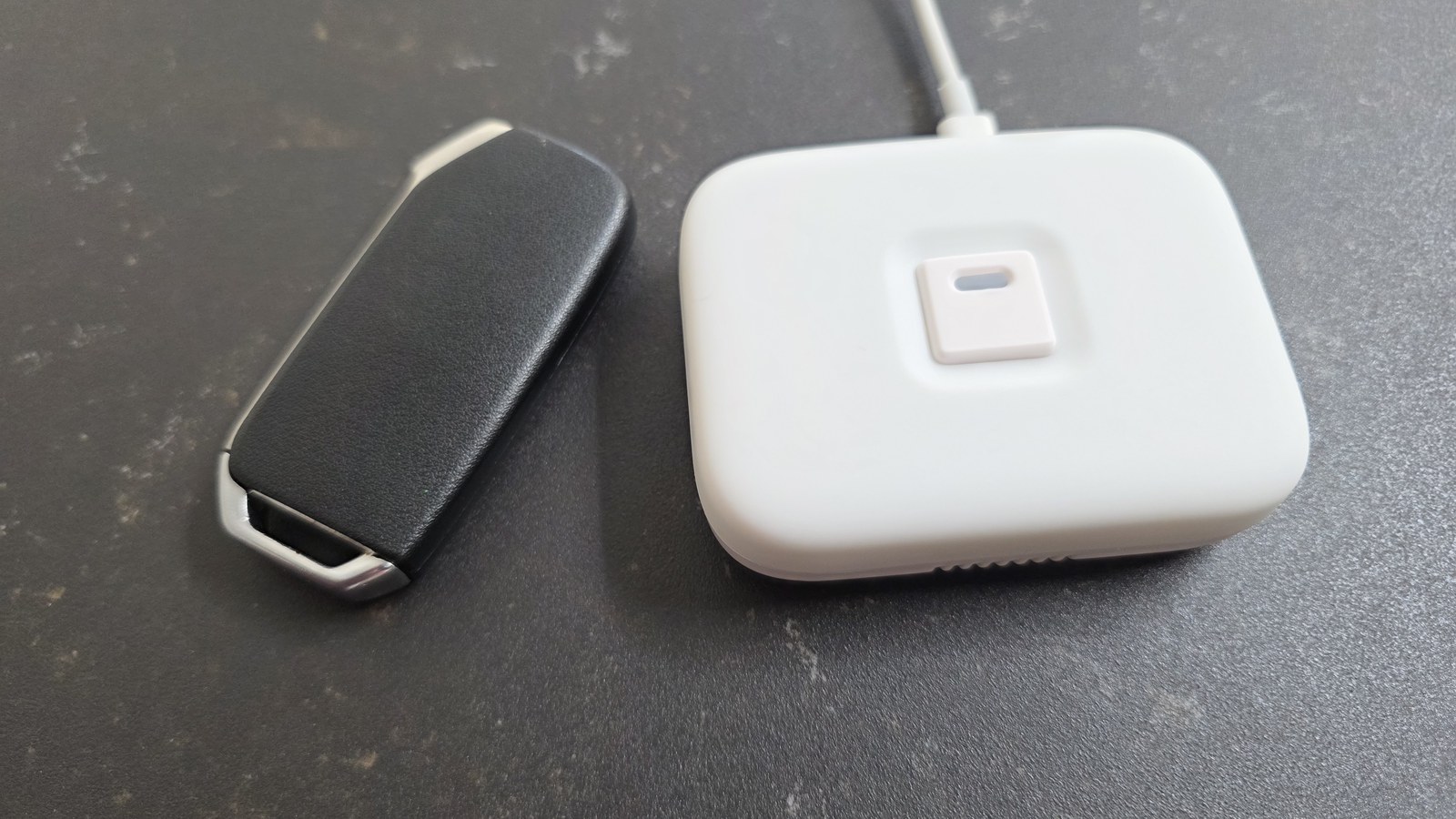
At 90 x 70 x 25.5mm it's genuinely small — about the footprint of a large light switch — so it isn't an intrusive fixture even mounted in plain sight. For anyone who's looked at retrofitting an existing AC with a smart relay and been put off by the idea of getting into its wiring, this is the appeal: you're adding a self-contained box near the unit, not modifying the appliance itself.
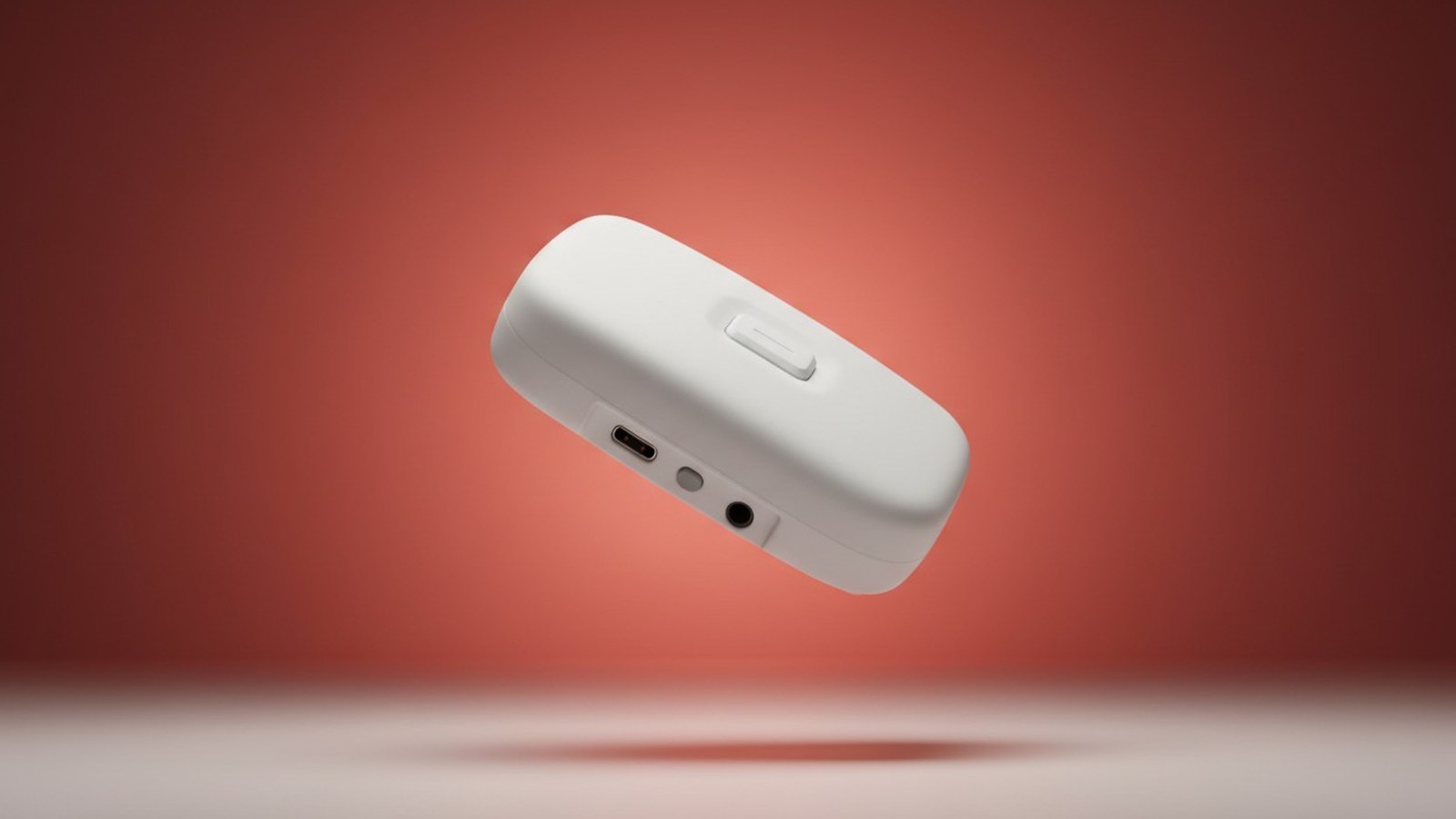
NodOn IRB-4-1-00 underside showing the USB-C power port and single configuration button
The USB-C power port and single configuration button sit on the same edge — the only physical control the device has.
NodOn IRB-4-1-00 next to a car key fob for a real-world size comparison
Next to a standard car key fob for scale — it's small enough to disappear next to most AC units.

Does the NodOn IRB-4-1-00 work with Home Assistant?

Yes — the IRB-4-1-00 is a native Zigbee 3.0 device with no custom integration, quirk file, or third-party component required. We paired it to a Home Assistant instance running ZHA: with ZHA's "Add device" search already running, a single press of the controller's configuration button was enough for it to join. A small status LED on the button blinks green to show it's searching for the network — easy to miss if you're not looking at exactly the right moment, but it's there and confirms the join is happening. The whole process, from pressing the button to ZHA reporting "Initialisation complete — the device is ready to use", took under a minute, and the device showed up correctly identified as "IRB-4-1-00 by NodOn" with no manual renaming needed. If you haven't set up a Zigbee coordinator yet, our Home Assistant ZHA guide covers getting one running before you get to this step.
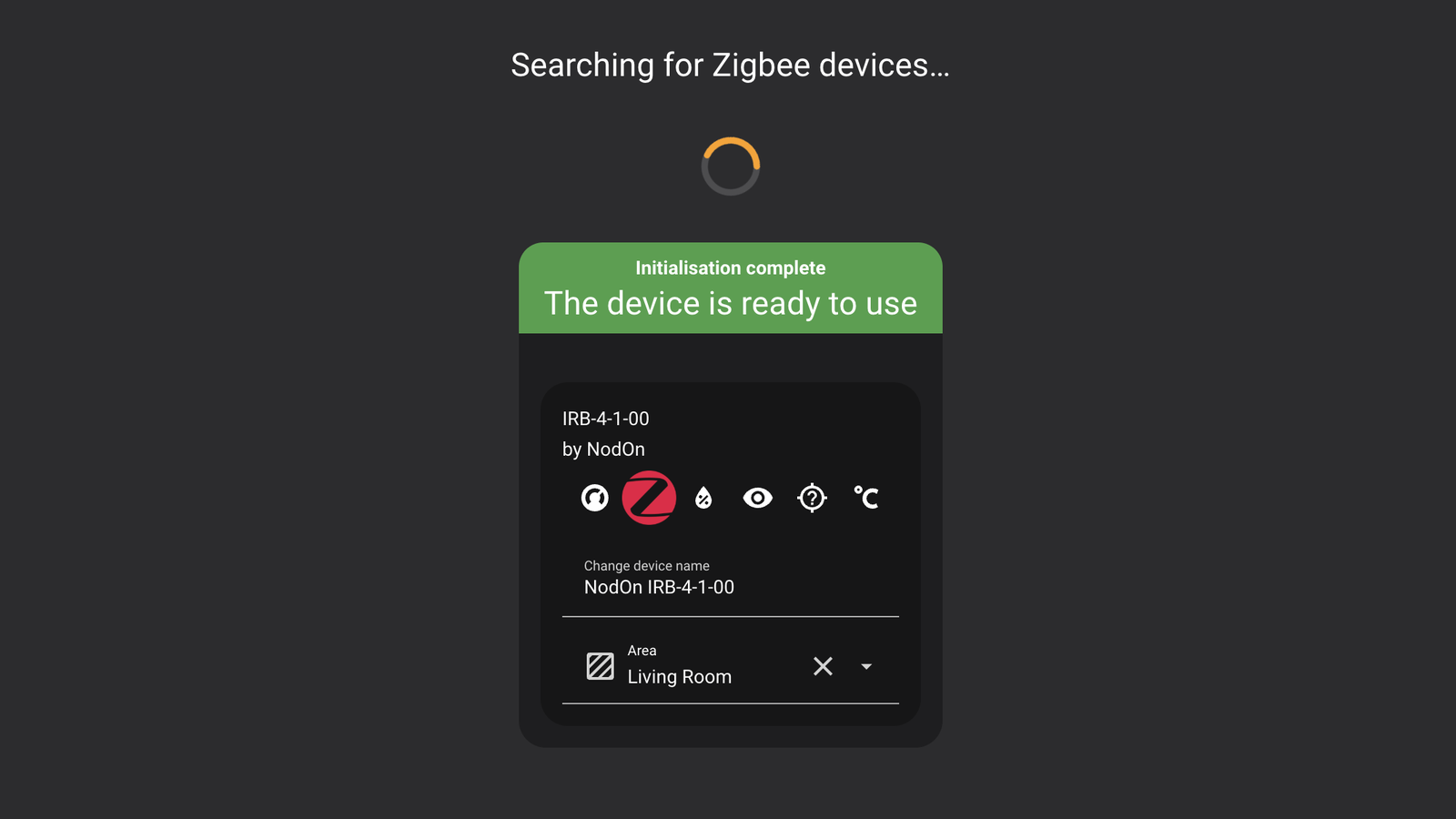
NodOn IRB-4-1-00 pairing successfully with Home Assistant via ZHA, showing Initialisation complete
ZHA's "Add device" flow after a single button press — initialisation completed in under a minute.

Once paired, the IRB-4-1-00 exposes itself in Home Assistant as a climate entity — NodOn's own device profile identifies it as Zigbee device type 0x0301 (Thermostat) — giving a Heat/Cool card with a target temperature range, mode selection, and fan mode control that operates over infrared exactly as the AC's own remote would. On our test setup it reported a current temperature reading alongside the Heat/Cool setpoint, with humidity and HVAC action shown as separate attributes on the same card. Because the controller is bidirectional, the AC's original remote keeps working normally alongside Home Assistant rather than being replaced by it, and the controller reports the setpoint back so a change made on the remote shows up in Home Assistant. That status sync comes with conditions, though: NodOn notes it works only once you've downloaded your AC's IR code from the Climate app, only with remotes that display the temperature on screen, and not at all with codes captured in manual learning mode.
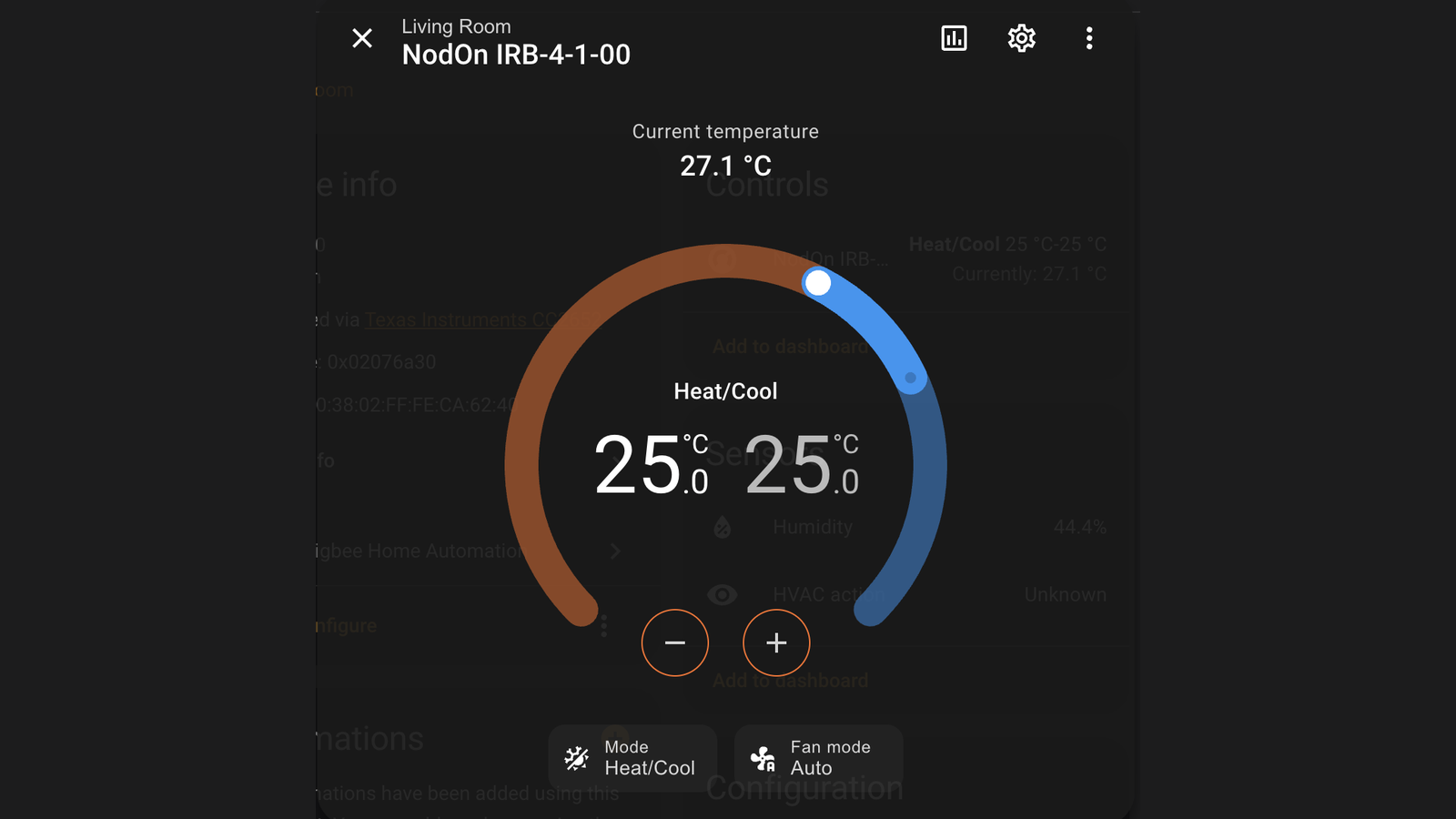
NodOn IRB-4-1-00 climate control card in the Home Assistant app showing Heat/Cool mode and temperature setpoints
The climate card exposed in Home Assistant after pairing, showing Heat/Cool mode and dual temperature setpoints.

How does IR code learning work?

Configuration runs through the free NodOn Climate app over Bluetooth, and the app offers two separate sources for your AC's infrared codes. The first is the cloud library: you select your air conditioner's brand and run a search that fires known codes at the unit one at a time, then press confirm to save the one that works. Usefully, this route doesn't need the original remote at all — you're testing against the air conditioner itself, so a lost or broken remote isn't a blocker. The second is learning from the remote, for air conditioners with no matching preset or commands a preset doesn't cover: you point the original remote at the controller's IR reception area from a centimetre or two away and press the button you want captured, and the status LED flashes to confirm the code landed. Either way the codes live on the controller afterwards, so nothing extra is needed for day-to-day control. The one thing worth deciding up front is which route you use, because bidirectional status sync only works with cloud-library codes — go the manual learning route and you lose the feature that keeps Home Assistant in step with changes made on the physical remote.

How does it compare to other ways of adding a smart AC to Home Assistant?

Against a universal Zigbee or Wi-Fi IR blaster from a brand like Tuya or Broadlink, the IRB-4-1-00's advantage is native ZHA/Zigbee2MQTT recognition with a proper climate entity straight out of the box, rather than a generic IR-blast device that needs manual code mapping and scripting in Home Assistant to behave like a thermostat. Against replacing the AC's controller electronics entirely — the approach covered in our best air conditioning units UK guide for anyone shopping for a new unit outright — the IRB-4-1-00 is the non-invasive option: it adds smart control to an AC you already own rather than requiring a new appliance or professional installation. If you're building out Zigbee heating control more broadly, our NodOn TRV-4-1-00 review covers the same manufacturer's take on smart radiator valves for the rest of the house.

Who should buy the NodOn IRB-4-1-00?

It's a strong pick for anyone with an existing infrared-controlled split AC or heat pump who wants it in Home Assistant without an electrician, a relay, or rewiring the unit's control board — which, realistically, covers most infrared split ACs already installed in UK homes. It particularly suits anyone already running a Zigbee coordinator for other devices, since there's no separate hub, app account, or subscription to add. It's a less obvious fit if there's nowhere sensible to mount it within 5m of the AC that isn't in direct sunlight or a draught, or if your AC is already Wi-Fi/app-controlled by its manufacturer, in which case a native integration for that brand may already exist.

Verdict

The NodOn IRB-4-1-00 does exactly what it promises: it brought our test AC into Home Assistant with a plug-in USB-C connection, a one-button ZHA pairing, and IR code setup that took a few minutes in the Climate app. There's no wiring, no relay, and no ongoing subscription — genuinely the kind of setup that avoids the DIY rewiring projects an AC retrofit usually implies. The only real friction is placement: because the controller doubles as the room's temperature sensor and only reaches 5m over infrared, you can't simply tuck it out of sight once it's configured. For anyone with a Zigbee coordinator already running and an infrared-only AC they want smart control over, this is a straightforward buy.
Frequently asked questions

Is the NodOn IRB-4-1-00 compatible with Home Assistant?
Yes. The NodOn IRB-4-1-00 is a native Zigbee 3.0 device, so it pairs directly with Home Assistant through the built-in ZHA integration or a Zigbee2MQTT bridge, with no custom quirk file or third-party component required. In our testing, a single press of its configuration button while ZHA was searching for new devices was enough to join the network, and it appeared correctly identified as an IRB-4-1-00 by NodOn within under a minute. Once paired it exposes a climate entity for Heat/Cool control over infrared. The main requirement is an existing Zigbee 3.0 coordinator, since the device has no Wi-Fi fallback for control — see our ZHA guide if you don't have one set up yet.
Does the NodOn IRB-4-1-00 need the air conditioner's original remote to set up?
Not necessarily. The NodOn Climate app offers two separate sources for your air conditioner's infrared codes. The cloud library route has you pick the AC's brand and run a search that tests known codes against the unit one by one — you confirm the code when the air conditioner responds, so the original remote isn't required at all, and a lost remote isn't a blocker. The second route, learning from the remote, exists for air conditioners with no matching preset or commands a preset doesn't cover, and that one does need the remote so you can point it at the controller and capture each button. Either way the codes are stored on the controller afterwards, so nothing is needed for everyday Home Assistant control. One caveat before you choose: bidirectional status sync — which keeps Home Assistant in step when someone changes the temperature on the physical remote — works only with cloud-library codes and only with remotes that display the temperature. It isn't supported for manually learned codes.
Can the NodOn IRB-4-1-00 be powered by mains electricity instead of USB?
Yes. NodOn sells the IRB-4-1-00 with two power options: a standard USB-C connection at 5V, which is how we tested it, or an optional IBH-4-1-00 kit sold separately that wires the controller directly into a Split air conditioner's own 230V AC mains terminal block for a fully hidden installation with no visible cable. NodOn's instructions are explicit that only one power method should be connected at a time — never both simultaneously. For most Home Assistant users the USB-C route is simpler to set up and avoids any electrical work, at the cost of a visible cable near the unit.

Sources

Sources verified 2026-09-07

  1. NodOn — Zigbee AC Infrared Controller — Product Specifications
  2. NodOn Support — IRB-4-1-00 User Guide (Installation, Zigbee Inclusion, IR Learning)
  3. NodOn — IRB-4-1-00 Datasheet EN V1
  4. Zigbee2MQTT — NodOn IRB-4-1-00 control via MQTT
  5. Home Assistant — Climate integration documentation
How we researched this

Claims in this article are checked against primary sources — manufacturer specifications, official documentation, Which? research, Ofgem guidance, or gov.uk — rather than forum threads or video reviews. Where the author has direct hands-on experience with a product (most Home Assistant, Zigbee, and home-networking gear is running in his own homelab), that is stated explicitly in the text.

For categories outside that personal setup — such as boilers, heat pumps, and other areas that are traditionally a heating engineer's domain — verdicts are built from cross-referenced manufacturer data, published lab results, and vetted expert and owner reviews rather than a claim of personal hands-on testing. See the editorial policy for the full methodology.

Sepehr

Written by

Sepehr

10+ years hands-on with Home Assistant & networking · Research-backed elsewhere · No brand deals

Smart home specialist with 10+ years running a self-hosted Home Assistant setup — Zigbee2MQTT, Frigate NVR, and local-first automations. Independent coverage for UK homes, no brand deals.

LinkedIn →

Citing this page? Please use a dofollow link back to the original article — it helps us keep the data on this page accurate and up to date.

Related reading