What are Economy 7 storage heaters?
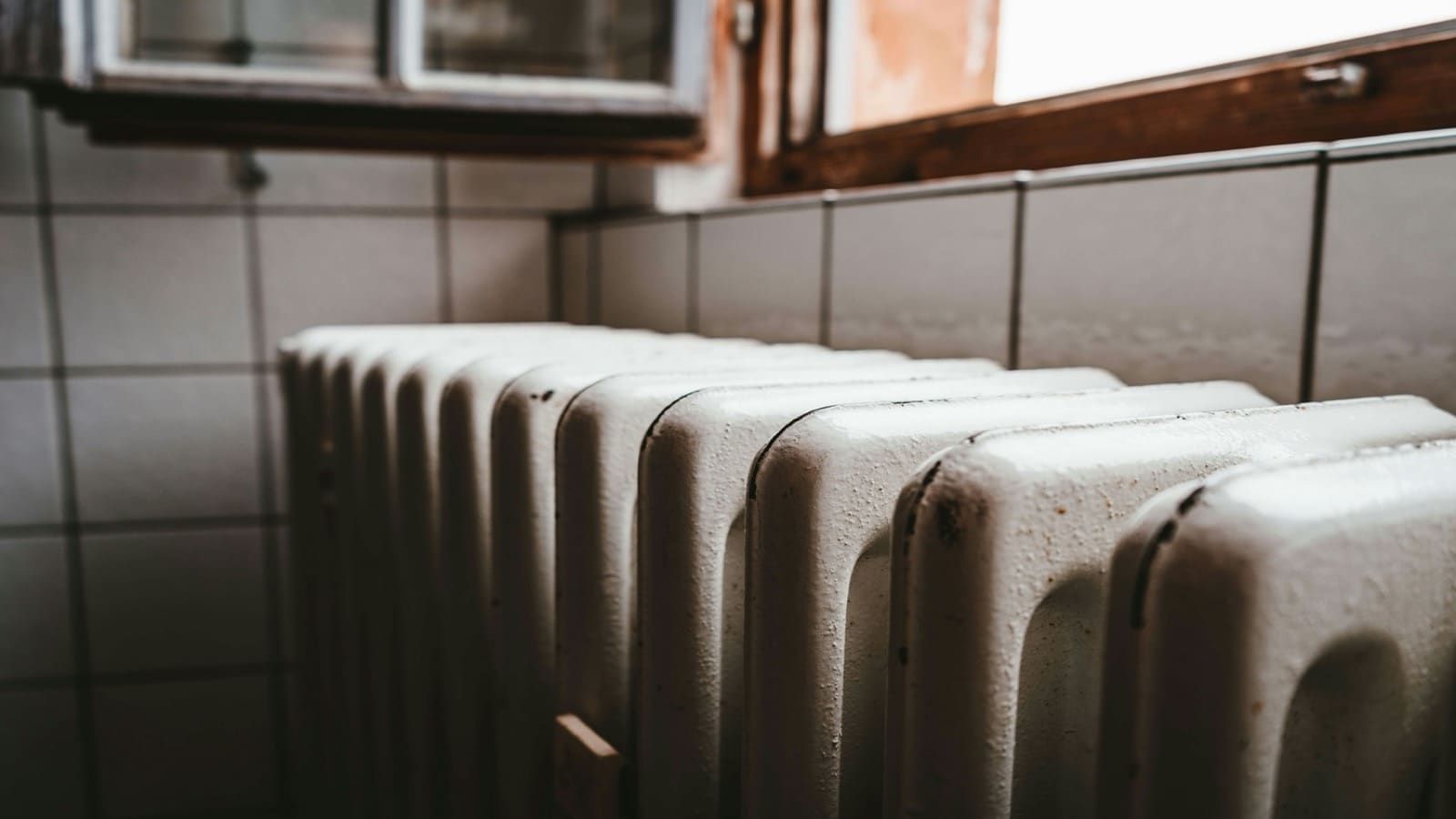
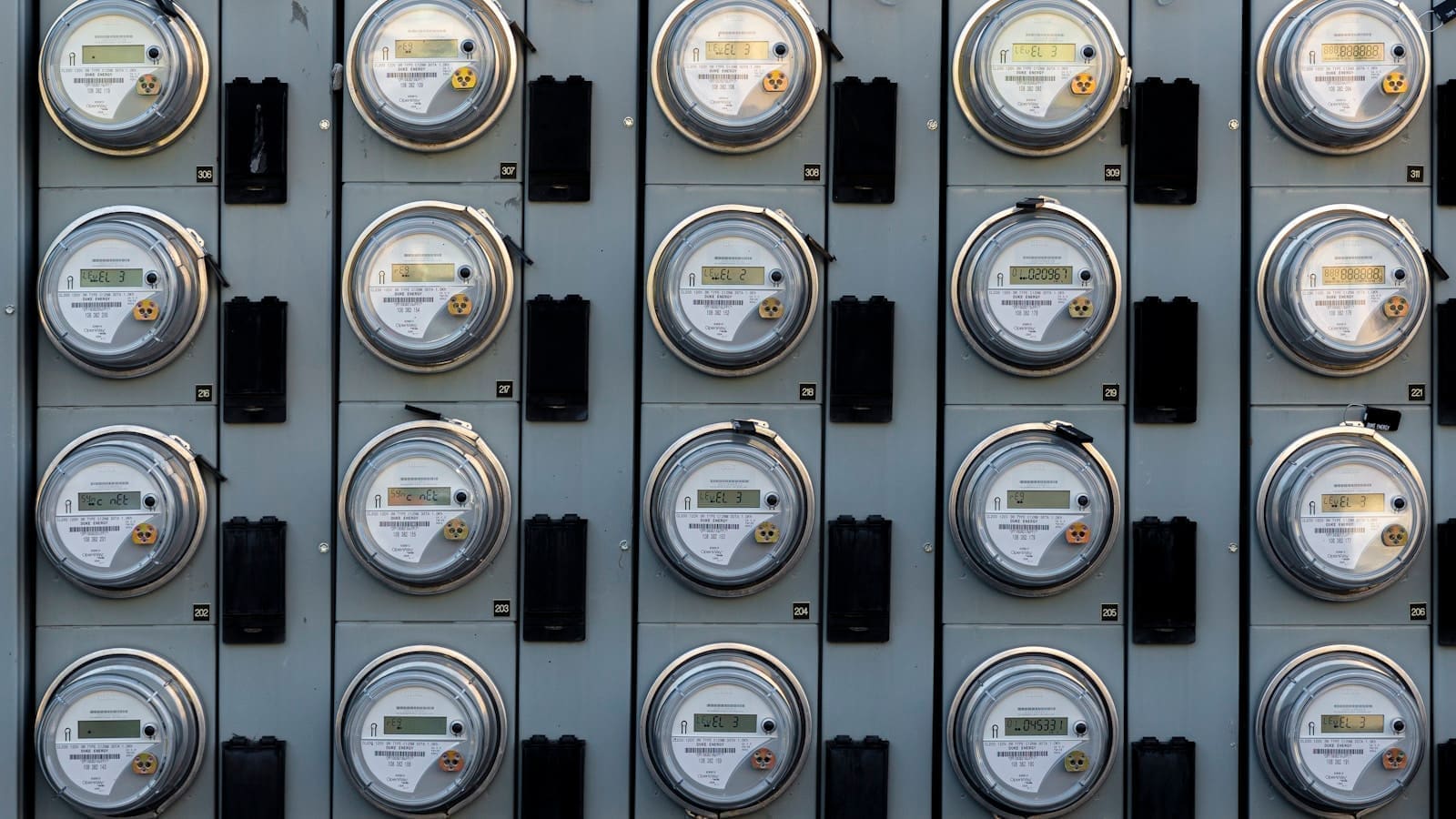
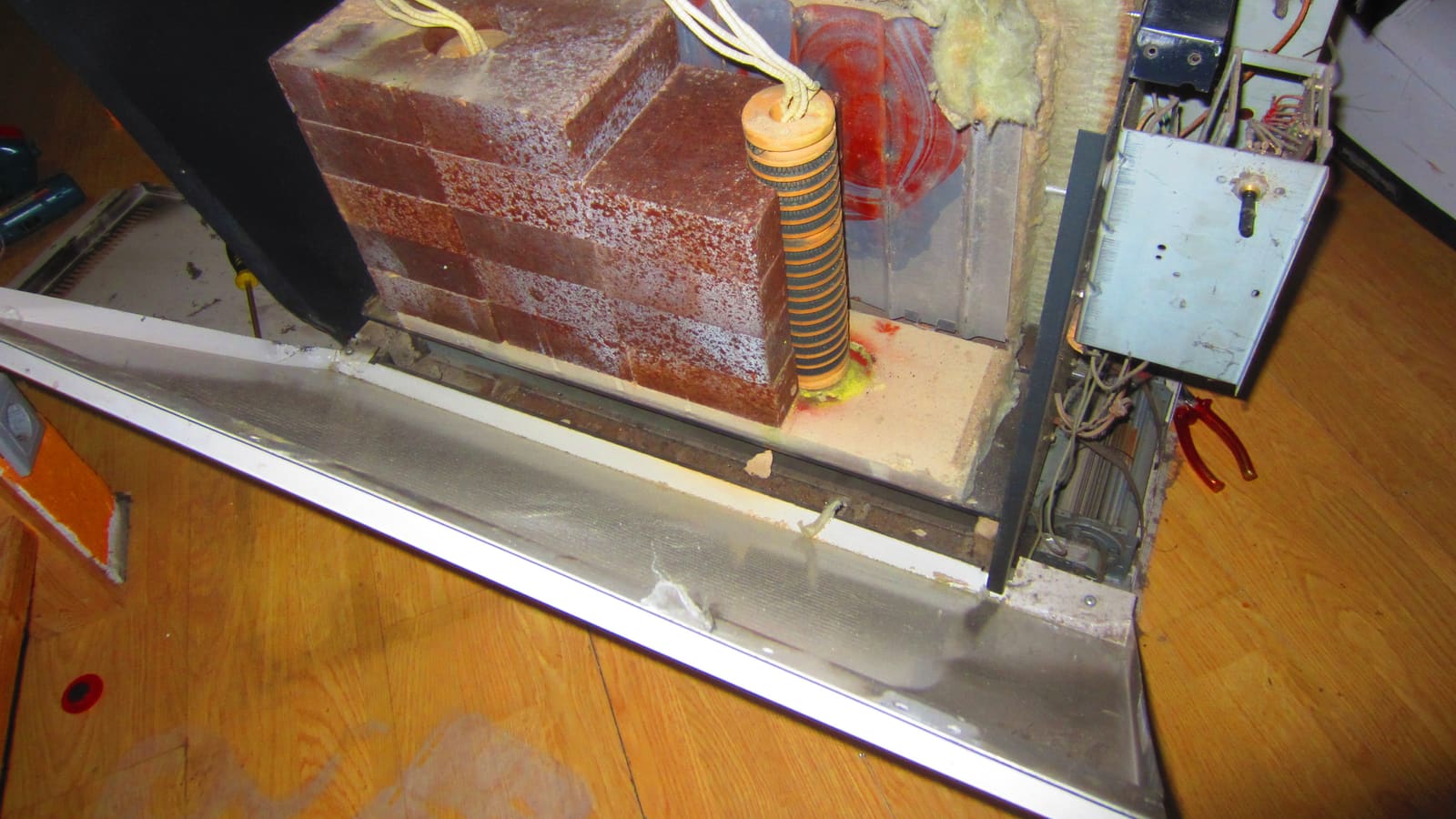
A storage heater is an electric heater that stores heat instead of making it on demand. Inside the case sits a stack of dense ceramic bricks wrapped in insulation, with heating elements running through them. Economy 7 is the tariff that makes the idea pay: a dual-rate electricity deal that gives you seven cheap hours each night, typically around 00:30 to 07:30, though the exact window varies by region and meter type.
The heater does the same job as a gas boiler and radiators, but moves the buying of energy to the cheapest hours of the day. If you are weighing which model to buy rather than how the technology works, our guide to the best storage heaters UK covers specific models, prices and warranties.
How do storage heaters work on Economy 7?
Storage heaters work in three stages: they charge overnight, hold the heat in insulated bricks, and release it as the day goes on. The elements switch on only when the meter signals the cheap rate, so most of the energy you pay for is bought at the night price rather than the daytime one.
Charging. A second circuit, wired to the Economy 7 meter, powers the heater only during the off-peak window. The heater then draws its full input for those hours, or less if its controls decide the next day will be mild.
Storing. The bricks absorb the energy and get very hot, while insulation around them keeps the casing safe to touch. Better insulation means less heat leaks out overnight, when nobody wants it.
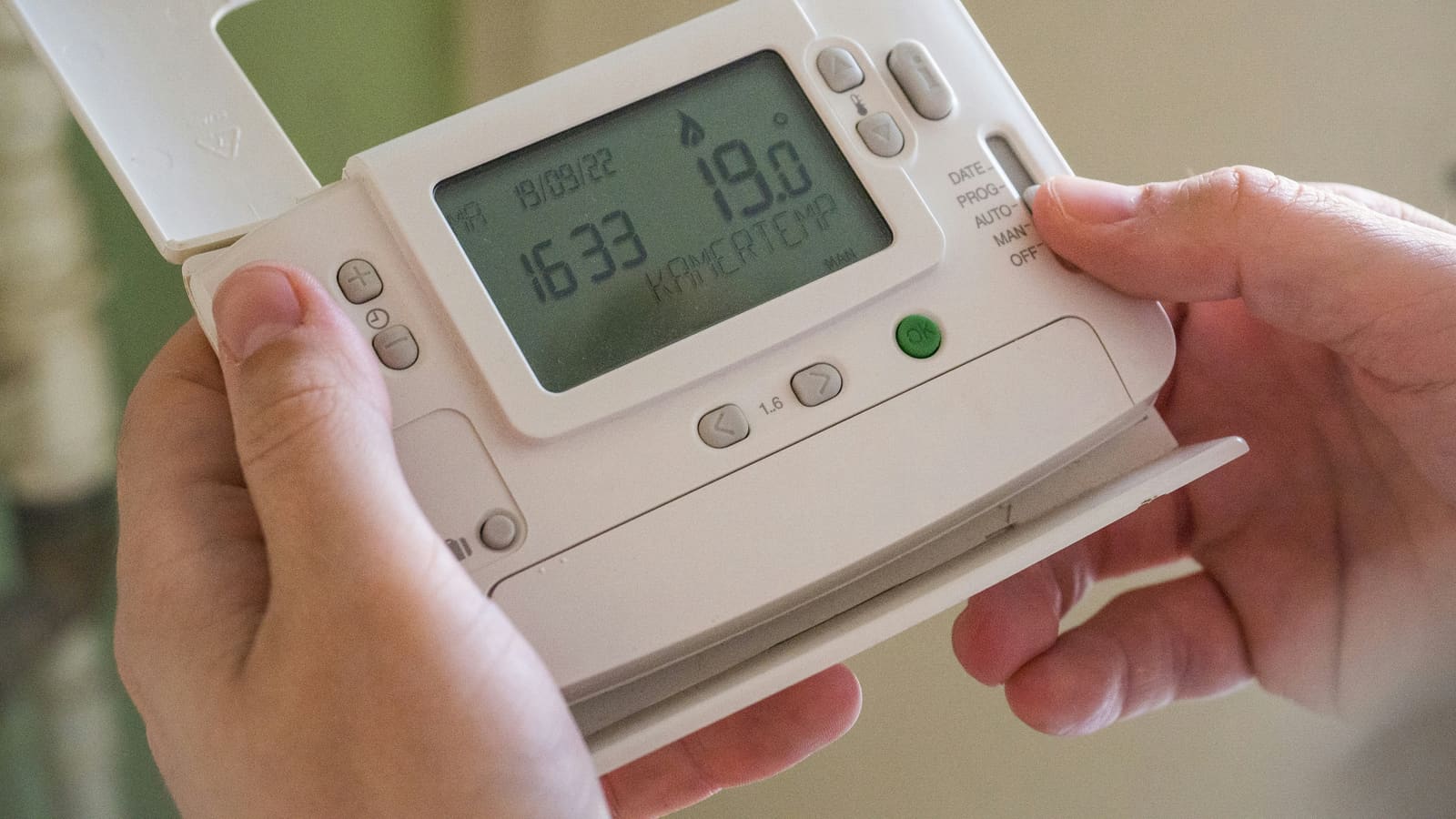
Releasing. During the day, an output damper or a fan lets heat out into the room. A manual heater has two dials: one for how much to charge overnight, one for how much heat to release. Automatic and smart models make the charging decision for you using a room thermostat, a seven-day programmer or, on smart models, an algorithm that learns how your home behaves.
That last point matters because the heater has to guess tomorrow's weather tonight. Guess too high and you waste heat on a mild day and the room gets stuffy. Guess too low and the house is cold by teatime, with nothing to top it up except a pricey daytime boost.
How much does it cost to run a storage heater overnight?
A storage heater costs, at most, its input rating in kilowatts multiplied by seven hours and by your night rate. At an assumed 14p/kWh (suppliers vary, roughly 12p to 18p), a 1.5 kW heater costs about £1.47 for a full charge, and a 3.4 kW heater about £3.33. Real use is usually lower, because the heater rarely charges fully on a mild night.
| Heater input | Energy for a full 7-hour charge | Maximum cost at 14p/kWh | Maximum cost at 18p/kWh |
|---|---|---|---|
| 1.0 kW | 7 kWh | £0.98 | £1.26 |
| 1.5 kW | 10.5 kWh | £1.47 | £1.89 |
| 2.6 kW | 18.2 kWh | £2.55 | £3.28 |
| 3.4 kW | 23.8 kWh | £3.33 | £4.28 |
Treat these as ceilings, not predictions. Multiply the nightly figure by the number of cold nights in your heating season to get a sensible annual upper bound, then expect to land below it. Your own night rate is on your tariff sheet; the supplier comparison pages from Uswitch and JEC show typical day and night rates side by side.
Does Economy 7 save money compared with a standard tariff?
Economy 7 saves money only if enough of your electricity use falls in the night window. The usual rule of thumb is that at least 40% of your total consumption should be overnight; below that, the higher daytime rate cancels the saving. Storage heating is the classic way to hit that share, because the heater alone can move a large part of your bill into the cheap hours.
The gap between the two rates is the whole story. Ofgem's price cap set a standard electricity unit rate of 24.67p/kWh for April to June 2026, whereas Economy 7 night rates commonly sit around 12p to 16p/kWh. On those figures a kilowatt-hour of overnight heat costs roughly 40% less than a kilowatt-hour from a direct electric heater on a standard tariff. The trade-off is that your daytime rate on Economy 7 is usually higher than the standard rate, so appliances and a tumble dryer used in the afternoon cost more than they would on a flat tariff.
Economy 10 is a variant with ten cheap hours split across the afternoon, evening and night, which suits homes that want a mid-day top-up. Newer smart tariffs, such as Octopus Go, also offer cheap overnight windows, and storage heaters can use those too, provided the heaters' charging window lines up with the tariff's off-peak hours. Check your hours before you commit.
HHR vs standard storage heaters: what is the difference?
HHR stands for high heat retention. An HHR storage heater uses denser bricks and better insulation than a standard one, so it holds its heat for longer and loses less of it before you need it. Standard models are cheaper to buy but typically the most expensive to run.
| Type | What changes | Upfront cost | Running cost |
|---|---|---|---|
| Standard, manual | Basic insulation, two hand-set dials | Lowest (roughly £180 to £320) | Highest, as it often over- or under-charges |
| Standard, automatic | Programmer or thermostat sets the charge | Mid | Lower than manual |
| HHR | Denser bricks, better insulation | Mid to high | Lower, since less heat is lost overnight |
| Smart HHR | HHR plus a learning algorithm and app | Highest (from around £835 for the Dimplex Quantum RF) | Lowest; Dimplex states up to 27% less than a standard heater |
HHR and smart control are separate upgrades that stack. HHR is about how well the box keeps heat, while automatic or smart control is about how well it decides how much to make. A manual HHR heater can easily run cheaper than a non-HHR automatic one of the same size. For the typical £100 to £200 a year saving on Economy 7, the model-by-model breakdown is in our best storage heaters UK buying guide.
One regulatory point is worth knowing. Storage heaters sold in the UK must meet the Lot 20 ecodesign rules, which set a minimum seasonal space-heating efficiency of 38.5% for electric storage heaters. A pre-2018 unit may fall below that standard, even if it still works.
Are storage heaters better than smart electric radiators?
Storage heaters beat smart electric radiators on running cost when you can use off-peak electricity and have fairly predictable heating needs. Smart electric radiators win on flexibility: they heat the moment you want them to and respond to schedules, windows and presence, but they use electricity at the daytime rate unless you shift the demand.
| Question | Storage heater | Smart electric radiator |
|---|---|---|
| When does it use electricity? | Overnight, on the cheap rate | Whenever it is heating, mostly at the daytime rate |
| How quickly does it respond? | Slowly; it releases heat from yesterday's charge | Within minutes |
| Best for | Main living areas, steady daily use, a home without gas | Occasional rooms, home offices, rooms with unpredictable use |
| Weak point | Cannot be topped up cheaply after the charge runs out | More expensive per kWh on a standard tariff |
Many homes sensibly use both. Storage heaters carry the base load in the rooms you use daily, and a smart panel or radiator covers the spare room or the evening you got home early. Our guide to the best electric radiators in the UK covers the second half of that pairing.
Can you control storage heaters with Home Assistant or a smart thermostat?
Mostly not directly. A standard smart thermostat switches a boiler or a heater on and off during the day, whereas a storage heater has to decide its overnight charge the night before. That is why a smart thermostat and a storage heater do not mix the way people hope; our piece on the Economy 7 smart thermostat explains what does work.
Wi-Fi models such as the Elnur PROSSH and the Dimplex Quantum RF with its control hub add app control. Beyond that, the useful smart-home jobs in an Economy 7 home are the ones that sit around the heater: a smart meter or energy monitor to check how much the night charge actually used, a smart immersion heater controller to heat hot water in the same cheap window, and sensors to log how warm each room really is. Do not run a storage heater through a plug on a timer; the heater and its wiring are designed around a dedicated off-peak circuit.
Are storage heaters worth it in 2026?
Storage heaters are worth it for a home without mains gas, on an Economy 7 or other off-peak tariff, with someone home for much of the day to benefit from the slow release of heat. Skip them where you are out all day and want heat only in the evening, where you cannot reliably use off-peak electricity, or where you need instant heat in a room that is used occasionally.
Check for help before you pay. ECO4 has been extended to 31 December 2026, and households on qualifying means-tested benefits with old or broken electric storage heaters may be eligible for a free replacement through a registered installer or their supplier. Installation of any new storage heater should be done by a Part P-registered electrician, and if your home has no Economy 7 meter or twin-circuit wiring, budget for that on top.