Smart Home Assistant

EcoFlow Stream 5000 UK: Price, Specs and Release Date

SepehrBy Sepehr· 31 August 2026· Updated 31 August 2026
✓ Independent — no paid placements✓ UK-tested in real homes✓ Cited sources
EcoFlow Stream 5000 UK: Price, Specs and Release Date
On this page[tap to expand]
Buy the picks in this guide

Recommended for Home Automation

See all devices →

EcoFlow launched its Stream 5000 series home battery in the UK on 21 August 2026, offering 5kWh of storage in a unit small enough to carry like a cabin bag. The range comes in two versions — the solar-ready Stream 5000 and the mains-only Stream AC 5000 — with early bird pricing starting at £1,499 until 7 October 2026. It's aimed at UK homeowners who want battery storage without a full rewire, and it lands just as plug-in solar kit has become easier to install legally in the UK. For anyone already running a Home Assistant energy dashboard, it's a battery worth knowing about, though it's too new for independent long-term reliability data.

What is the EcoFlow Stream 5000?

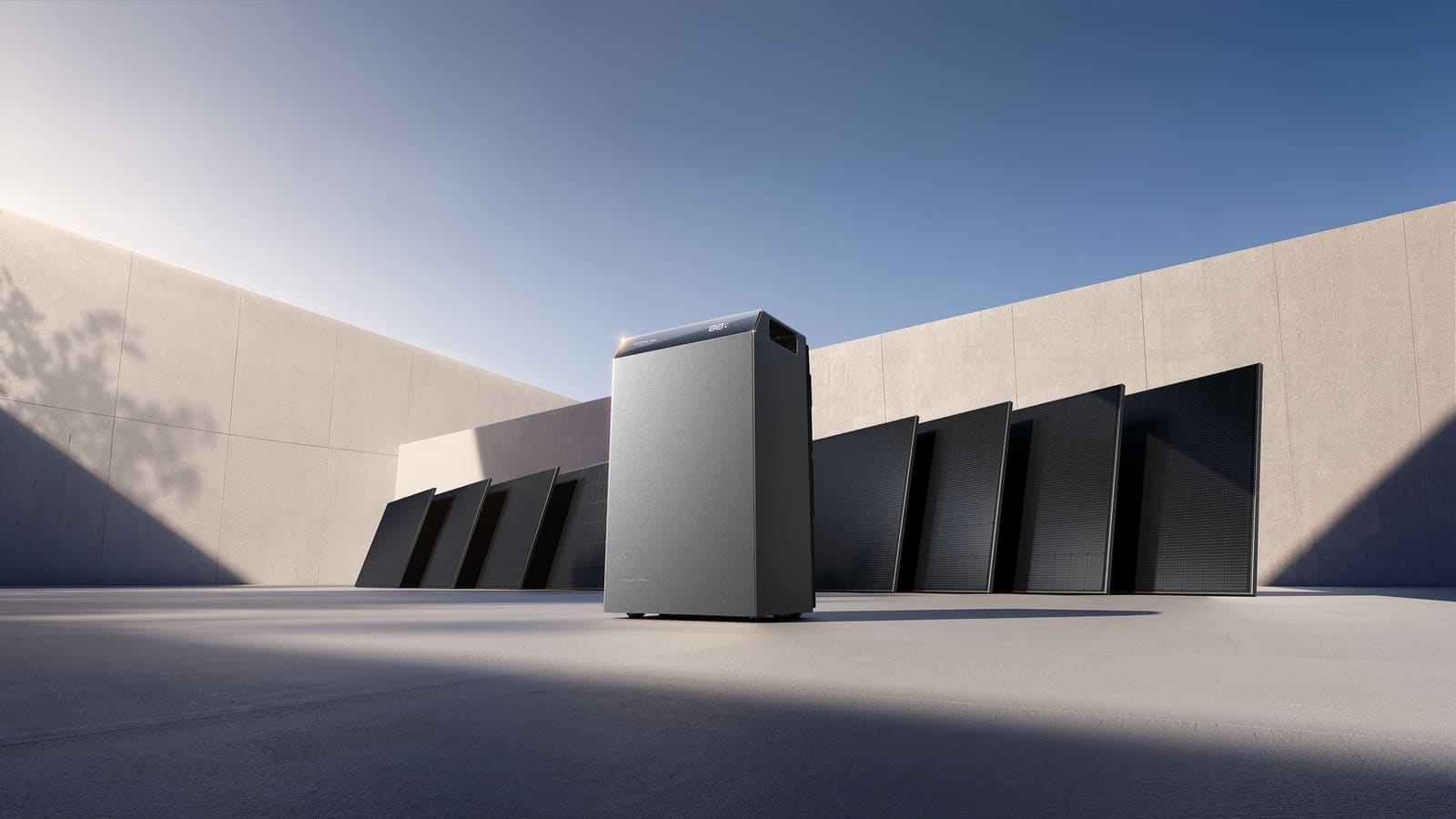
The Stream 5000 is a 5kWh home battery that weighs 45kg and measures 295 × 489 × 298mm — compact enough for a hallway or utility room rather than a dedicated plant space. It accepts up to 5,000W of solar input across four separate MPPT trackers, each rated to 1,250W, and can charge from the mains at up to 3,000W. Output is 3,000W in off-grid use, or 800W continuous when feeding back to the grid under the standard UK export limit. The unit carries an IP65 weather rating, runs at under 30dB, and includes two pressure relief valves as part of its thermal safety design, according to EcoFlow's UK press release.

The Stream AC 5000 is the same battery without the built-in solar inverter, aimed at people who already have panels on a separate inverter and just want to add storage. Both units are rated for 10,000 charge cycles with a 10-year warranty, and EcoFlow quotes a battery lifespan of up to 15 years.

How much does the EcoFlow Stream 5000 cost in the UK?

Early bird pricing is £1,599 for the Stream 5000 and £1,499 for the Stream AC 5000, available direct from EcoFlow until 7 October 2026, after which prices are expected to rise. Both units can also be stacked with EcoFlow's Stream Ultra expansion batteries for a claimed maximum of up to 90kWh of combined storage, useful for larger households or anyone planning to add capacity gradually rather than buying it all at once.

Prices for battery storage systems change quickly and vary by retailer and bundle — always check EcoFlow's UK site for the current early bird cut-off before buying. If you're weighing up whether a battery like this is worth it at all, our guide to solar battery storage in the UK covers the payback math in more detail.

Does the Stream 5000 work with Home Assistant?

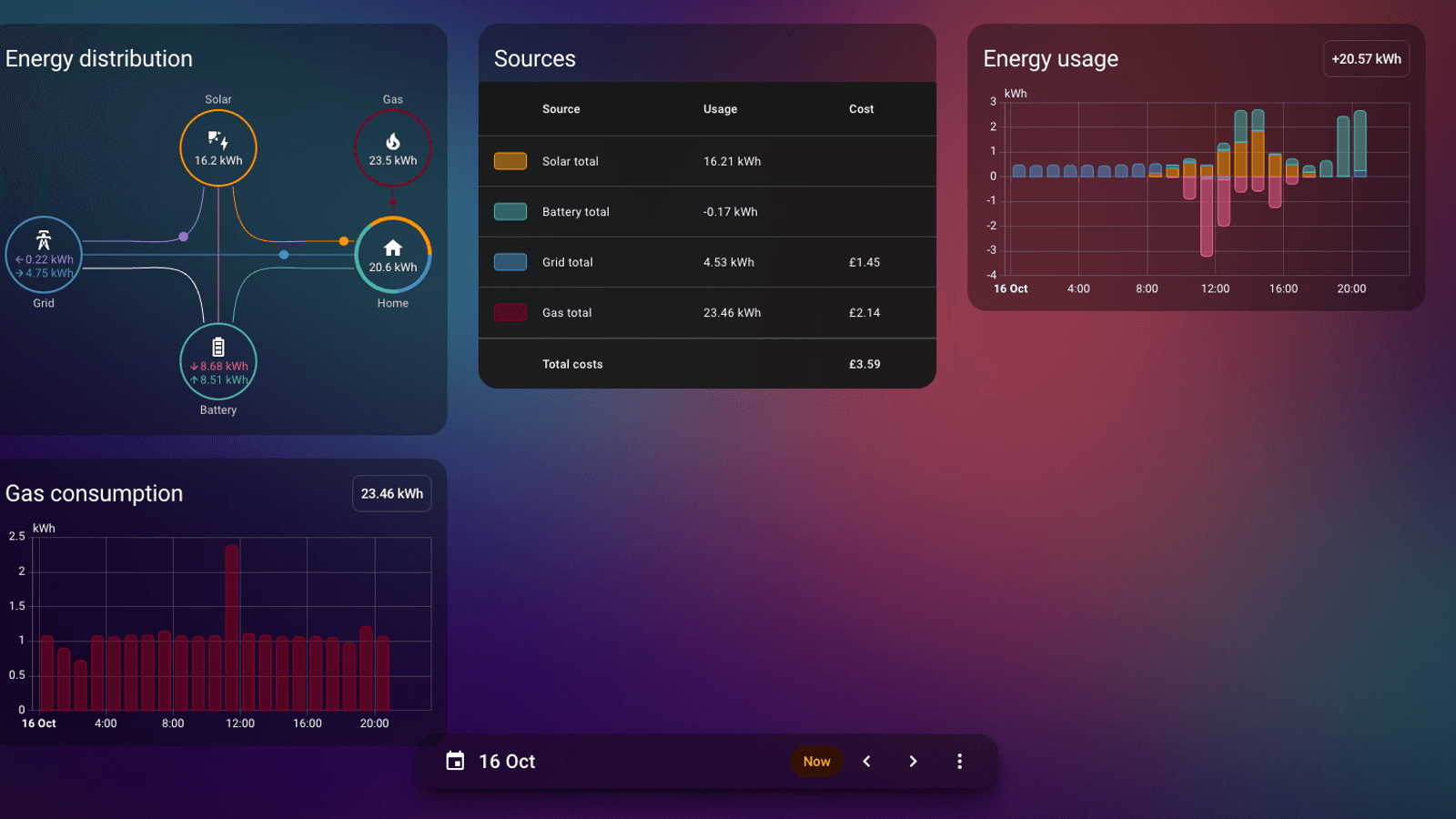
EcoFlow's Stream range connects primarily through the EcoFlow app and cloud service, and the company says it also supports a local mode that keeps core charge/discharge control working without an internet connection. There's no official first-party Home Assistant integration at launch, so UK buyers who want to pull battery state-of-charge or solar generation into a Home Assistant dashboard will likely be relying on community-built integrations or the EcoFlow Developer Platform API, in the same way many solar inverters are already monitored. If you're building out an energy dashboard, our guides to Home Assistant energy monitoring and Home Assistant solar monitoring cover the general approach for battery and solar hardware that isn't natively supported.

The launch also lands alongside recent changes to how plug-in solar panels are treated under UK rules, which is part of why EcoFlow is positioning the Stream series as accessible storage for homes that couldn't previously justify a full solar-plus-battery installation.

Who is the Stream 5000 actually for?

The Stream 5000 suits renters and homeowners who want meaningful battery capacity without scaffolding, an electrician visit, or a permanent wall-mounted install — it plugs into a standard socket and can be moved between properties. It's less suited to anyone who's already committed to a fixed home battery like a Tesla Powerwall or a Givenergy system tied into their consumer unit, where capacity and export limits are usually higher. As with any newly launched hardware, it's worth waiting for independent UK reviews and real-world reliability reports before treating the manufacturer's cycle-life and lifespan figures as guaranteed.
Frequently asked questions

How much does the EcoFlow Stream 5000 cost in the UK?
EcoFlow launched the Stream 5000 in the UK on 21 August 2026 with early bird pricing of £1,599 for the solar-ready Stream 5000 and £1,499 for the mains-only Stream AC 5000, both available direct from EcoFlow's UK site until 7 October 2026. Prices are expected to rise after the early bird window closes, and EcoFlow has also run separate bundle pricing for solar-plus-battery packages. As with any home battery, treat the manufacturer's list price as a starting point — check the current EcoFlow UK page before buying, and compare against fixed home battery systems like Tesla Powerwall or Givenergy if you're weighing up long-term value rather than portability.
Can the EcoFlow Stream 5000 be used with solar panels?
Yes. The Stream 5000 (not the AC-only variant) has a built-in solar inverter and accepts up to 5,000W of solar input across four separate MPPT trackers, each rated to 1,250W at up to 60V. That makes it compatible with a plug-in solar kit or a small array without needing a separate inverter. The Stream AC 5000 doesn't include this inverter, so it's aimed at people who already have solar panels running through their own inverter and just want to add battery storage on top. Output is capped at 800W continuous when exporting to the grid, in line with standard UK plug-in solar rules.
Does the EcoFlow Stream 5000 integrate with Home Assistant?
Not officially, at least not at launch. The Stream 5000 is controlled through EcoFlow's own app and cloud platform, with a local mode for offline charge/discharge control, but EcoFlow hasn't announced a native Home Assistant integration. UK buyers who want battery and solar data on a Home Assistant dashboard will most likely need a community-maintained integration or EcoFlow's developer API, similar to how many solar inverters and battery systems are monitored today. If native support arrives later, it would typically appear via HACS or the official integrations list rather than being built into Home Assistant core immediately.

Sources

Sources verified 2026-08-31

  1. PR Newswire UK — EcoFlow Launches New STREAM Series to Make Home Energy Storage Accessible for Millions of UK Households
  2. ESS News — EcoFlow launches new Stream 5000 series with immediate UK availability
  3. T3 — EcoFlow's new home battery arrives just as plug-in solar becomes legal in the UK
  4. Plug-In Solar Explained UK — EcoFlow Stream 5000: the new range explained
How we researched this

Claims in this article are checked against primary sources — manufacturer specifications, official documentation, Which? research, Ofgem guidance, or gov.uk — rather than forum threads or video reviews. Where the author has direct hands-on experience with a product (most Home Assistant, Zigbee, and home-networking gear is running in his own homelab), that is stated explicitly in the text.

For categories outside that personal setup — such as boilers, heat pumps, and other areas that are traditionally a heating engineer's domain — verdicts are built from cross-referenced manufacturer data, published lab results, and vetted expert and owner reviews rather than a claim of personal hands-on testing. See the editorial policy for the full methodology.

Sepehr

Written by

Sepehr

10+ years hands-on with Home Assistant & networking · Research-backed elsewhere · No brand deals

Smart home specialist with 10+ years running a self-hosted Home Assistant setup — Zigbee2MQTT, Frigate NVR, and local-first automations. Independent coverage for UK homes, no brand deals.

LinkedIn →

Citing this page? Please use a dofollow link back to the original article — it helps us keep the data on this page accurate and up to date.

Related reading