Smart Home Assistant

Octopus Plug-In Solar Sells Out Again: Price and When to Buy

SepehrBy Sepehr· 11 October 2026· Updated 11 October 2026· 3 min read
✓ Independent — no paid placements✓ UK-tested in real homes✓ Cited sources
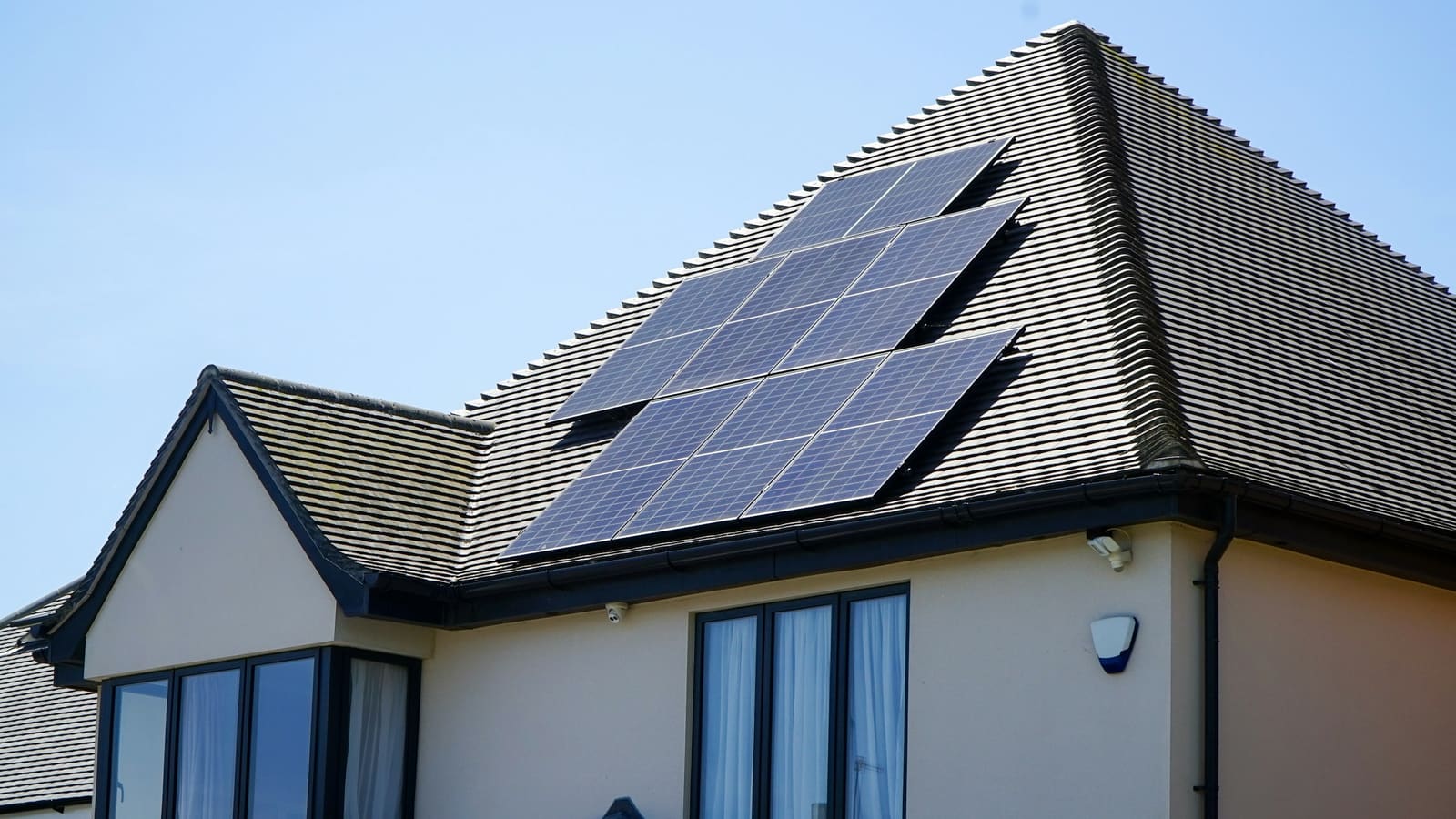
Rows of dark solar panels on a tiled house roof beneath a clear blue sky

Key takeaways

  • Octopus plug-in solar kits sold out for a second time on 1 October 2026, less than four weeks after the previous restock.
  • A one-panel kit costs from £450 and a two-panel kit from £650, and 89% of early buyers chose two panels.
  • Octopus claims about £150 a year saved with two panels, but says the figure varies with sunlight and household usage.
  • Octopus's product page does not mention Home Assistant, so plan to monitor generation with an energy-monitoring plug or clamp.
  • You must still notify your network operator within 28 days of installing, and Octopus has not said who handles it.
On this page[tap to expand]

Octopus plug-in solar kits sold out again on 1 October 2026, the second restock to vanish in under four weeks. The self-install kits cost £450 for one panel or £650 for two, and Octopus says a two-panel setup saves about £150 a year. More stock is promised, but no firm date.

What has changed with Octopus plug-in solar stock?

On 1 October 2026 Octopus Energy said its plug-in solar kits had sold out for the second time, after the first 500 kits went in about two weeks. The restock lasted less than four weeks. Demand followed the government legalising plug-in solar at the end of August 2026, which we covered in our plug-in solar panels UK explainer.

Octopus describes itself as the only major energy supplier currently selling plug-in solar. It says 89% of buyers chose the two-panel kit and that nobody needs an electrician to set one up. It also says its "Nook Cube" battery is due in Q1 2027, though plug-in batteries are not part of the current legal route.

DetailOne-panel kitTwo-panel kit
Price (Octopus)From £450From £650
Panels1 × 460W JA Solar2 × 460W JA Solar
In the boxMicroinverter, 5m cable with 3-pin plug, one mounting kitMicroinverter, 5m cable with 3-pin plug, two mounting kits
Share of early buyers11%89%
Status (11 October 2026)Sold out, waitlist openSold out, waitlist open

How much will an Octopus plug-in solar kit really save?

Octopus quotes about £150 a year for a two-panel kit, earned partly by using the power yourself and partly by exporting surplus on its Outgoing export tariff. Treat that as a best case: Octopus itself says the figure depends on sunlight, installation and how much electricity your home uses. A flat that is out all day will export more of the output and use less of it, which is the worse deal when export rates sit below the price you pay per unit.

Two 460W panels add up to 920W of panel capacity, above the 800W AC limit in the new rules. The microinverter presumably holds output at or under that cap, but Octopus does not publish the inverter rating on its product page, so check it before buying. Payback on the £650 kit at £150 a year is roughly four to five years if the claim holds.

Why does this matter for Home Assistant users?

Octopus advertises in-app monitoring, but its product page says nothing about Home Assistant or a local API, so do not assume the kit will appear in Home Assistant out of the box. Until someone confirms the inverter's integration, the dependable route is to measure what the kit feeds into the house with an energy-monitoring smart plug or a clamp on the circuit, as covered in our Home Assistant solar monitoring guide.

If you already use Octopus's smart tariffs, the export side pairs naturally with them; our Octopus smart tariff comparison explains how the rates differ. We have not tested this kit, and Octopus has not said whether customers on other suppliers can buy one.

UK availability, delivery and what we don't know

Both kits show as sold out "for now" on Octopus's page, with a form to register interest. The delivery windows it lists depend on order date: orders before 11 September were due between the end of September and mid-October, orders from 11 September from the end of October to mid-November, and orders after 28 September by the end of November. Octopus has not given a restock date.

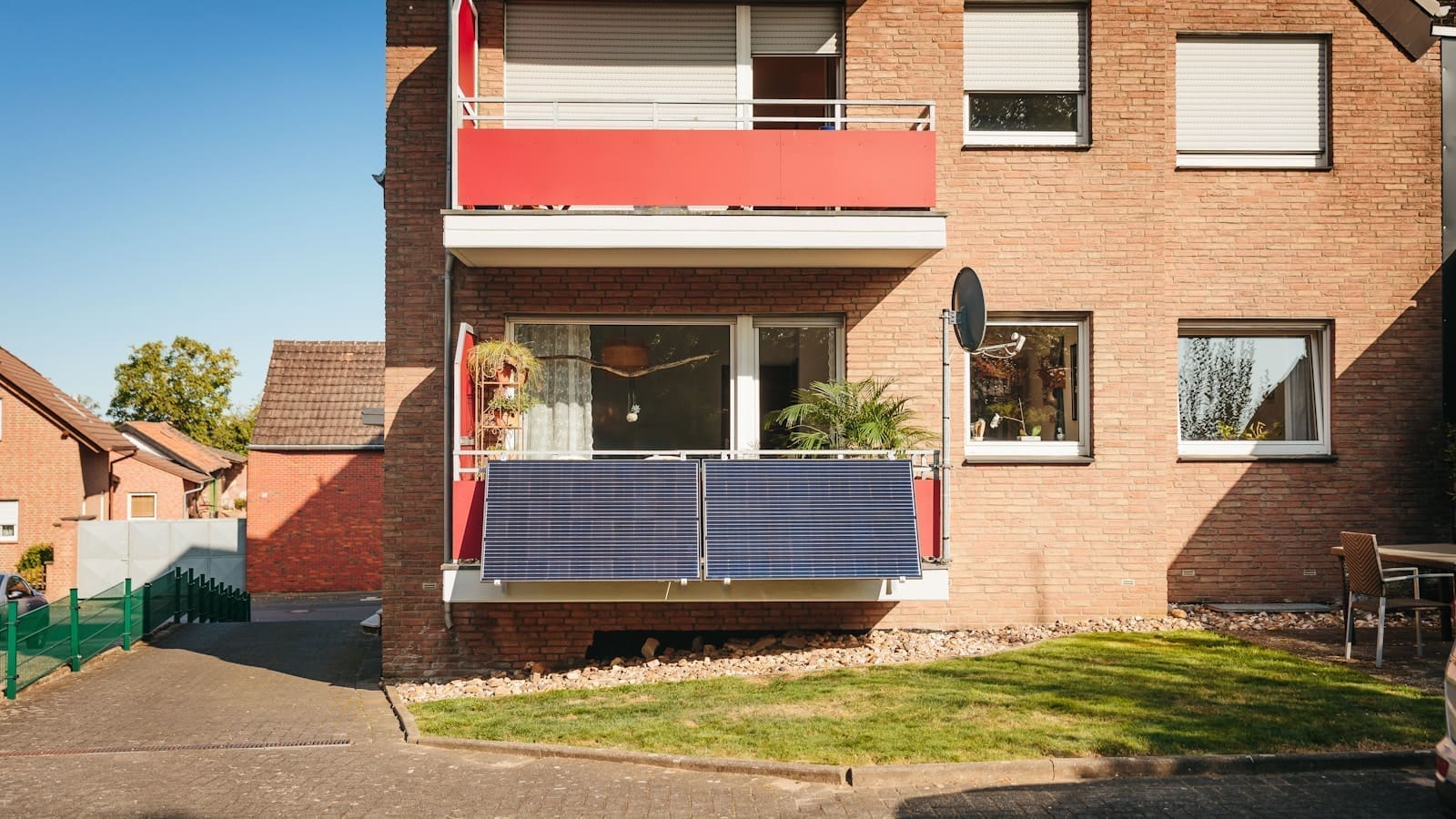
The page does not say whether you must be an Octopus customer, what the return policy is, or who files the notification to your network operator. Under the new rules you still notify your distribution network operator within 28 days of installing, so confirm who handles that. Owners of flats and rented homes should also get freeholder or landlord consent for balcony or wall mounting.

Should you wait for Octopus stock or buy elsewhere?

If you want the simplest bundle with one supplier behind it, join the waitlist, but expect delivery in late autumn at best and fewer sunny months of generation to start with. If you would rather not wait, other compliant microinverter kits are appearing, though you must verify that any inverter appears on the Energy Networks Association's G98 Type Test Register and meets the interim product specification. Avoid battery-integrated products for now, because they sit outside the plug-in route. For fully installed systems and costs, see our best solar panels UK guide.
Buy the picks in this guide

Recommended for Smart Heating

See all devices →
Shop these picks on our Amazon storefront →

Frequently asked questions

Are Octopus plug-in solar kits sold out?
Yes. Octopus announced on 1 October 2026 that its plug-in solar kits had sold out for the second time, with the latest restock gone in under four weeks after the first 500 kits sold in about two weeks. Its product page currently shows both the one-panel and two-panel bundles as sold out for now, with a form to register interest and be contacted when stock returns. Octopus says more kits are on the way but has not published a restock date, so any delivery estimate is uncertain. If you join the waitlist, read the delivery windows on the page carefully, because they depend on when you ordered and the latest listed window ends in late November.
How much does an Octopus plug-in solar kit cost?
Octopus prices its plug-in solar kits from £450 for a single 460W panel and from £650 for two panels, each including mounting hardware, a microinverter and a 5m cable with a 3-pin plug. The two-panel kit is the popular choice, taken by 89% of early buyers. Octopus estimates a two-panel household saves about £150 a year through its Outgoing export tariff, which would put payback at roughly four to five years. That saving is a best-case estimate: Octopus says it varies with sunlight, installation and how much electricity your household uses. Prices are quoted before any extras such as a monitoring plug, so budget a little more.
Do I need an electrician to install Octopus plug-in solar?
No. Octopus says its kits are designed for householders to set up themselves without an electrician, following the legal change that took effect on 27 August 2026 and allows approved plug-in solar of up to 800W to connect through a standard socket. You still have obligations: you must notify your electricity network operator within 28 days of installing, and Octopus's product page does not say whether it handles that for you. You also need permission to fix panels to a balcony or external wall if you rent or own a leasehold flat, and the rules do not allow mounting on timber. Check your property's wiring is in good condition first.

Sources

Sources verified 2026-10-11

  1. Octopus Energy — Octopus plug-in solar sells out in a fortnight as bills soar
  2. Octopus Energy — Octopus Plug-in Solar
  3. Renewable Energy Magazine — Octopus Energy plug-in solar sells out
  4. legislation.gov.uk — The Plugs and Sockets etc. (Safety) Regulations 1994 and Electricity Safety, Quality and Continuity Regulations 2002 (Amendment) Regulations 2026 (SI 2026/848)
  5. Energy Networks Association — Distributed Generation Connection Guides: G98 for Single Premises Summary
›How we researched this

Claims in this article are checked against primary sources — manufacturer specifications, official documentation, Which? research, Ofgem guidance, or gov.uk — rather than forum threads or video reviews. Where the author has direct hands-on experience with a product (most Home Assistant, Zigbee, and home-networking gear is running in his own homelab), that is stated explicitly in the text.

For categories outside that personal setup — such as boilers, heat pumps, and other areas that are traditionally a heating engineer's domain — verdicts are built from cross-referenced manufacturer data, published lab results, and vetted expert and owner reviews rather than a claim of personal hands-on testing. See the editorial policy for the full methodology.

Sepehr

Written by

Sepehr

10+ years hands-on with Home Assistant & networking · Research-backed elsewhere · No brand deals

Smart home specialist with 10+ years running a self-hosted Home Assistant setup — Zigbee2MQTT, Frigate NVR, and local-first automations. Independent coverage for UK homes, no brand deals.

LinkedIn →

Citing this page? Please use a dofollow link back to the original article — it helps us keep the data on this page accurate and up to date.

Related reading