
Types of driveway alarm explained
Standalone PIR-and-receiver kits. A battery-powered passive infrared sensor stakes into the ground or straps to a post near your driveway. When it detects movement, it sends a radio signal (often long-range, sub-1GHz) to a plug-in receiver indoors, which beeps or chimes. No app, no Wi-Fi, no smart home integration — just a simple audible alert. These are cheap, reliable, and work even if your broadband is down.
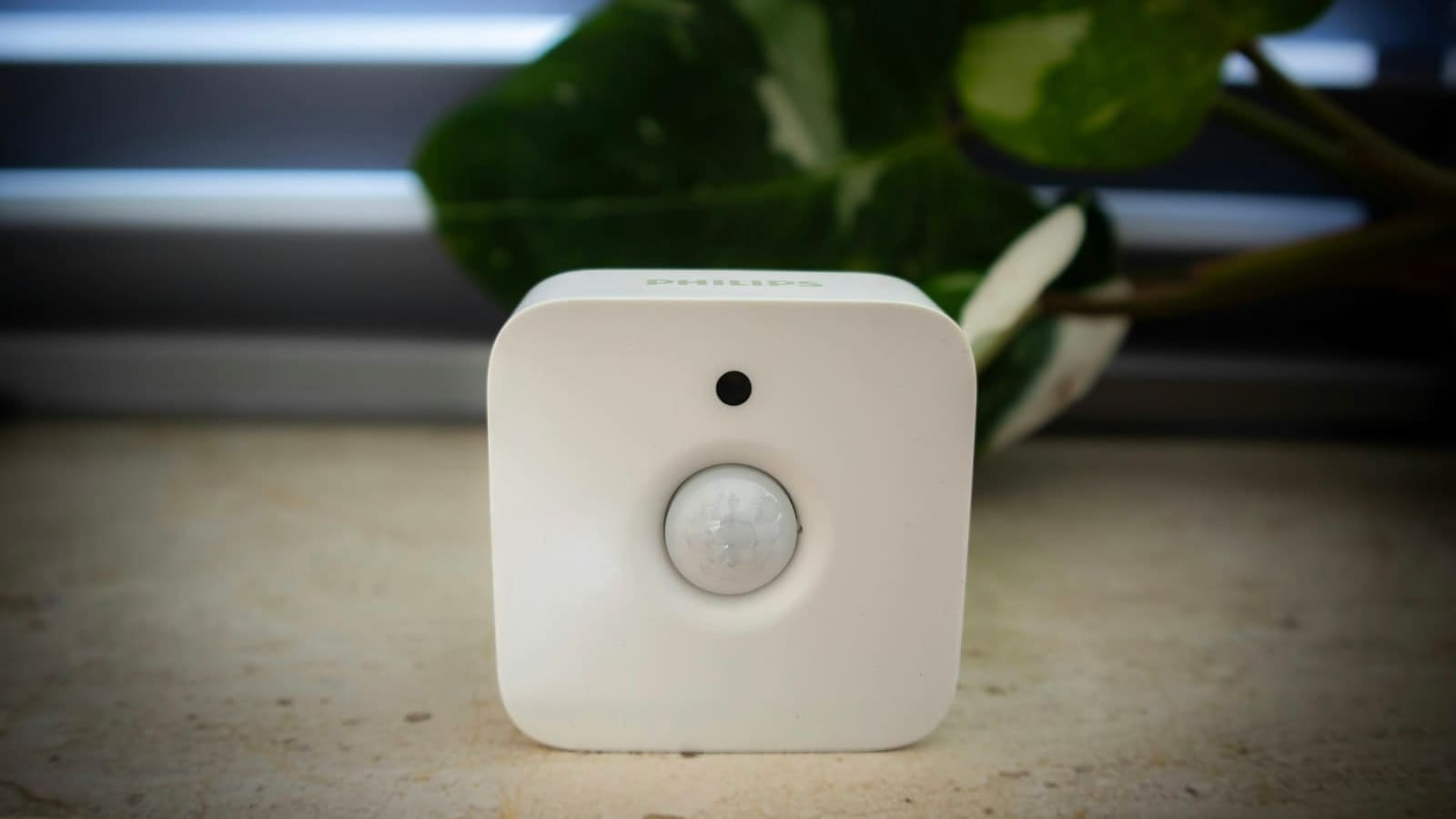
Zigbee or Z-Wave motion sensors. The same PIR technology, but designed for indoor use and joined to a Zigbee or Z-Wave mesh rather than a proprietary receiver. Used outdoors, most need an add-on weatherproof housing since the sensor itself typically is not rated for rain. The payoff is a real entity in Home Assistant via Zigbee2MQTT or ZHA, so a driveway trigger can flash lights, send a mobile notification, or start recording a nearby camera.
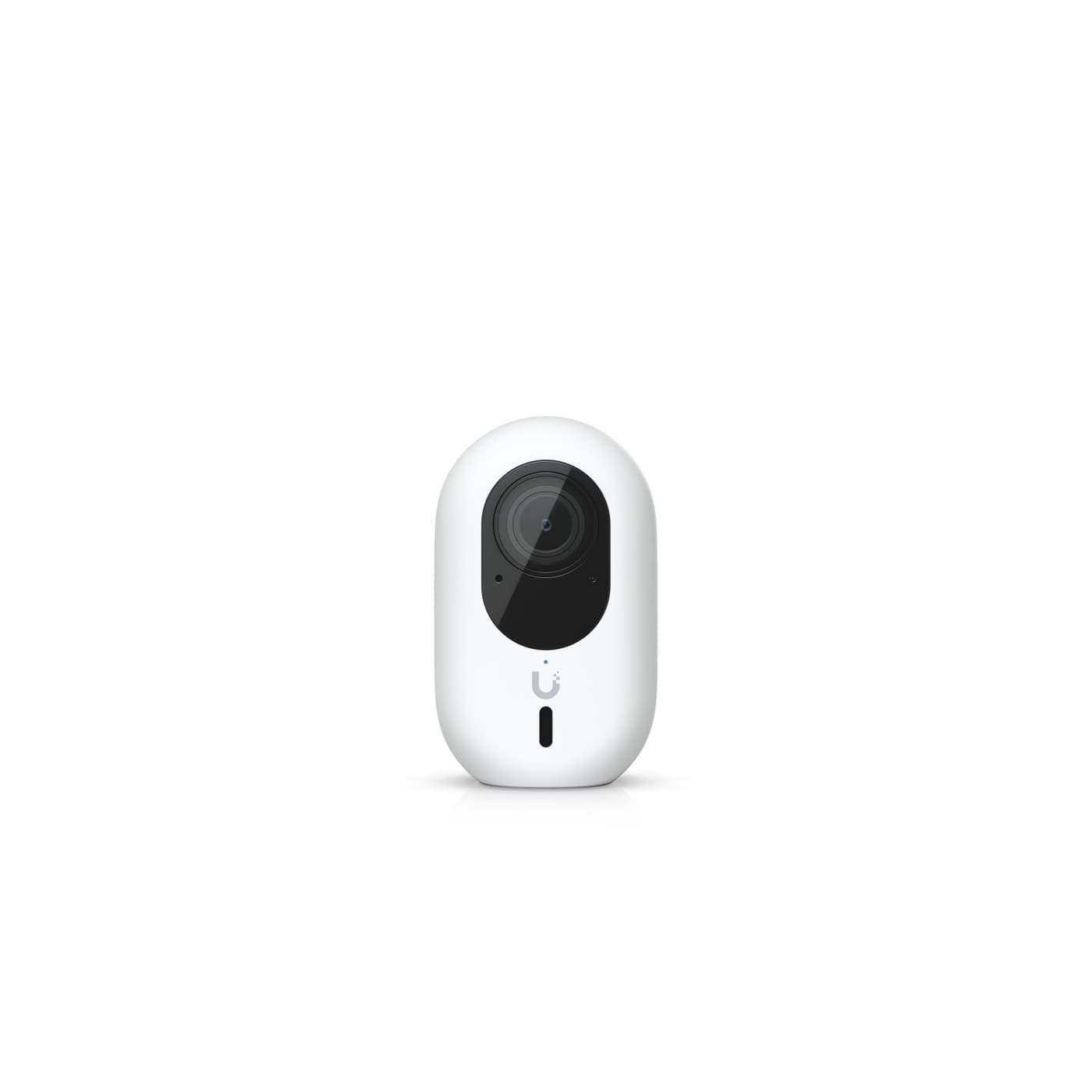
Camera-based driveway alerts. A weatherproof outdoor camera with AI vehicle/person detection and a customisable activity zone covering the driveway. You get a photo or clip with every alert rather than just a beep, and several mainstream brands now ship an official Home Assistant integration. This is the most capable option but also the most expensive, and most useful video features sit behind a subscription.
How we chose these driveway alarms
We compared driveway alarms across three criteria that matter most for a UK driveway: whether the sensor or camera actually joins Home Assistant (and whether that integration is official or community-built), how well it copes with permanent outdoor exposure, and how much genuine range and battery life it offers versus its price. We excluded budget PIR-and-receiver kits with no weatherproof rating or app support unless they offered a clear range or price advantage over the smarter options, since a driveway alarm left in a garden shed is no use to anyone.
Best driveway alarms UK 2026
1. Aqara Motion Sensor P1 — best for Home Assistant
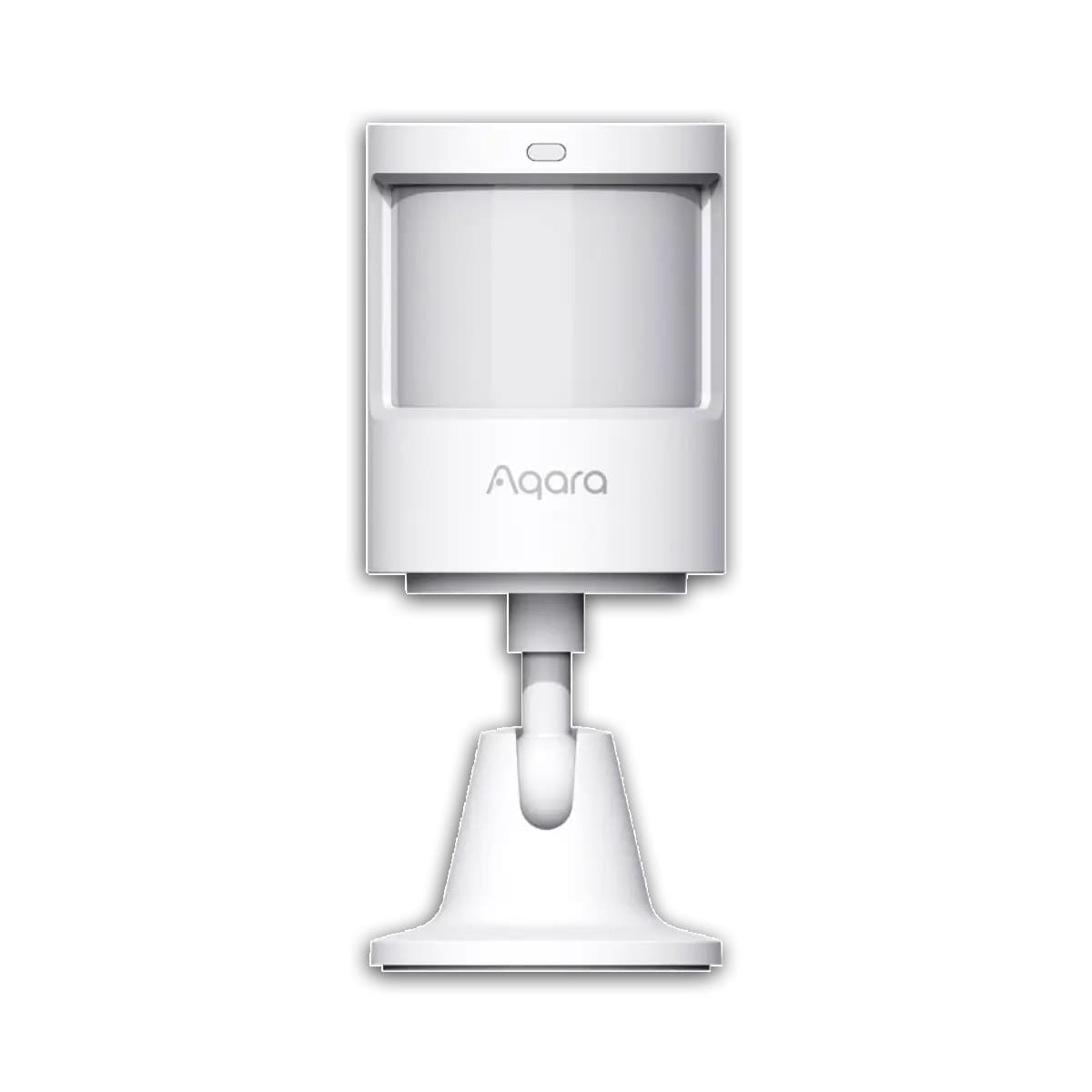
Price: around £20–£30 (prices vary by retailer). The Aqara Motion Sensor P1 is a Zigbee 3.0 PIR sensor with a wide 170° detection angle at close range and 150° out to 7 metres, an adjustable 1–200 second reset timeout, and a claimed 5-year battery life when the LED indicator is disabled and the timeout is kept above 30 seconds. It requires an Aqara hub, or a generic Zigbee coordinator running Zigbee2MQTT or ZHA, both of which list it as Home Assistant compatible.
The catch: the P1 itself has no official IP rating and is not designed to sit exposed to rain. For driveway use, pair it with a third-party IP65 weatherproof enclosure (widely sold alongside the sensor) or mount it under an eave, porch roof, or gate canopy out of direct weather. Done properly, this is the cheapest genuinely Home Assistant-native driveway trigger on this list — a real binary_sensor you can build automations around, not just an app notification. For the indoor use case (and other Zigbee sensors worth considering), see our best Zigbee motion sensor UK guide.
2. YoLink Outdoor Motion Sensor — best long-range standalone alert
Price: around £35–£45 (prices vary by retailer; buy the EC/868MHz version for UK use, not the US 915MHz model). YoLink's Outdoor Motion Sensor uses LoRa radio for a genuinely long range — YoLink advertises up to a quarter of a mile in open air — with an IP67 rating that handles driveway placement in any weather, and a detection range of around 12 metres (40ft). Battery life is rated at two years or more, well ahead of typical Zigbee sensors used outdoors.
Home Assistant has an official core YoLink integration, and YoLink's own device list includes the outdoor motion sensor. Be aware, though: UK and EU YoLink hardware uses a different LoRa frequency to the US models the integration was primarily built and tested against, and UK/EU users have reported that sensor states simply do not update once paired — an open, unresolved issue as of last check. If Home Assistant integration is the deciding factor, treat this as a standalone driveway alert with email/SMS/app notifications via YoLink's own hub rather than a guaranteed HA entity, and lean on the Aqara pick above instead if local Zigbee control matters more to you.
3. TP-Link Tapo C425 — best camera-based pick
Price: around £70–£90 (prices vary by retailer). The Tapo C425 is a battery-powered outdoor camera rated IP66, with a 10,000mAh battery TP-Link quotes at up to 300 days between charges under typical use. Its AI detection distinguishes people, pets and vehicles, and the Tapo app lets you draw a custom activity zone around just the driveway so passing traffic on the street does not trigger constant alerts. Unlike a plain PIR sensor, every alert comes with a clip or photo, which is genuinely useful for identifying a delivery driver versus something you need to act on. Home Assistant support runs through the community Tapo integration (via HACS) — see our full TP-Link Tapo camera review for setup notes.
4. Reolink — best for official Home Assistant camera integration
If a plug-and-play Home Assistant integration matters more than anything else, Reolink is the strongest camera-based option: Home Assistant ships an official core Reolink integration that Home Assistant automatically detects on the network, exposing motion and vehicle-detection binary sensors you can wire into automations without any custom component. We tested the Argus 3 Pro (around £59.99, IP67, 2K colour night vision, solar-panel option) in our Reolink camera UK review — its customisable detection zones and free local microSD storage (no subscription required) make it a strong driveway pick for anyone already leaning on Home Assistant for automations.
5. Ring Floodlight Cam Wired Pro — best if you already own a Ring system
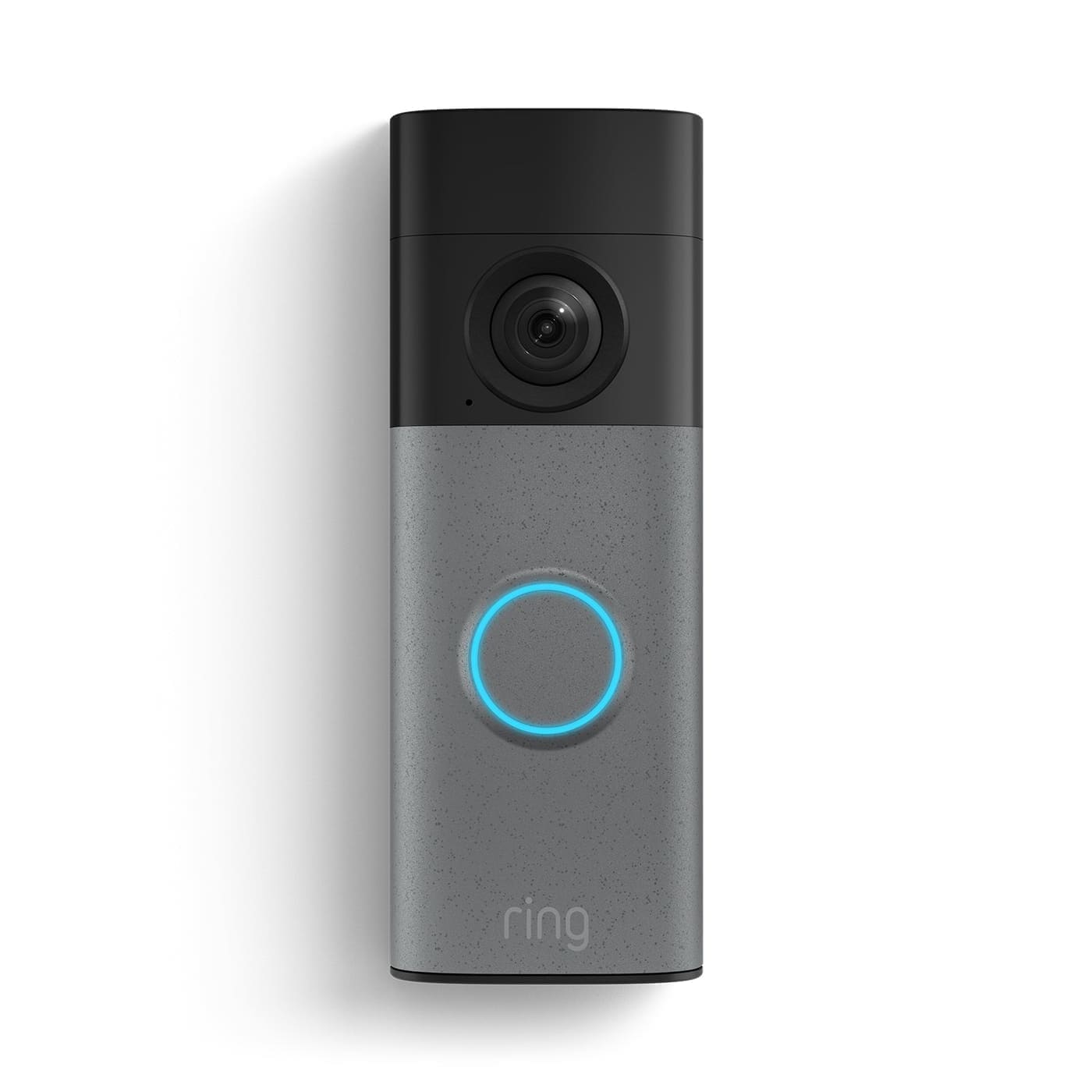
Ring does not sell a dedicated driveway alarm, and its Alarm Motion Detector accessory is designed for indoor use. For driveway coverage, the mains-wired Ring Floodlight Cam Wired Pro (around £229.99) is the better fit — 2,400 lumens of floodlighting plus 3D motion mapping that can distinguish a person walking up the drive from a passing car. Ring integrates with Home Assistant only through an unofficial community integration rather than an official core one, and most of its useful features (video history, person alerts) sit behind a Ring Protect subscription, so weigh that against the Reolink and Tapo options above if you are starting from scratch.
Who should skip a smart driveway alarm?
If your drive is short and overlooked from the house anyway, a standalone PIR-and-receiver kit or nothing at all may be enough — save the extra cost of a Zigbee sensor or camera for a drive you cannot see or hear from indoors. Anyone without an existing Zigbee coordinator or Home Assistant setup should also weigh whether a camera-based option with its own standalone app (Ring, Tapo) suits them better than adding a new Zigbee device just for one sensor.
How to choose: range, false alarms and power
Range. A short urban driveway needs very little range — most PIR sensors cover 7–12 metres, plenty for a typical UK driveway or gate. Long rural drives are where LoRa-based kits like YoLink pull ahead, with open-air range measured in hundreds of metres rather than tens.
False alarms. Standalone PIR sensors cannot tell a fox from a person, so mount them to cover the drive itself rather than an open garden, and use adjustable sensitivity where available. Camera-based options with AI person/vehicle detection cut false alerts significantly, at the cost of higher price and (usually) a subscription for full video history.
Power. Battery-only sensors are easiest to fit but need periodic changes — check the claimed life against your climate, since cold UK winters shorten battery performance across the board. Solar-assisted cameras such as the Reolink Argus 3 Pro largely solve this for camera-based picks.
For a broader look at motion sensors that work well indoors too, see our best smart PIR motion sensors UK guide, and for weatherproof cameras generally, our best outdoor security camera UK round-up covers more models in depth. Our home security guide UK ties driveway alerts into a wider whole-home security setup.