Smart Home Assistant

Sleep tech that works with Home Assistant

A small, honest set. Some of this talks to Home Assistant natively, some only through a community integration, and a lot of it only through the maker's cloud. Each card says which, and what the catch is, so you can tell a sleep sensor you can automate on from one that only reports yesterday.

Show

Track it

See how you actually sleep

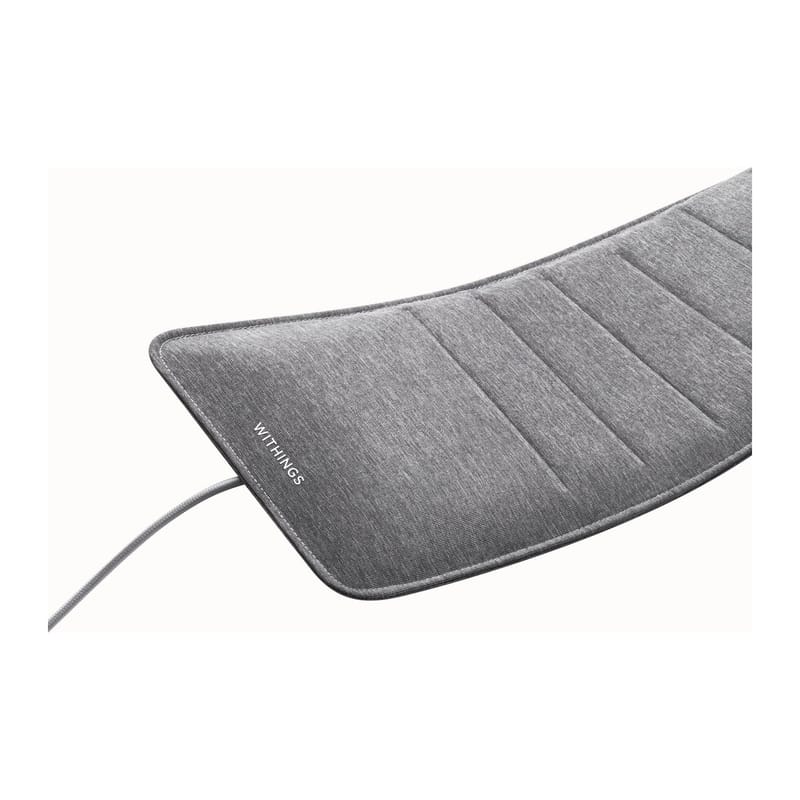
Withings Sleep Analyzer
Native integrationCloud required
  • Zigbee not supported
  • Z-Wave not supported
  • Wi-Fi supported
  • Thread not supported
  • Matter not supported
  • BT not supported
  • not supported

The one genuinely hands-off sleep sensor with a built-in Home Assistant integration: a 5 mm pad that slides between mattress and bed base, so there is nothing to wear or charge, and it feeds Withings' sleep analysis (including sleep apnea detection) into HA. The catches are all cloud-shaped. Everything routes through Withings' servers, the in-bed signal needs working inbound webhooks (public HTTPS on port 443, or Home Assistant Cloud), and Withings now pushes a paid Withings+ subscription at checkout (Withings' page pre-selects a yearly plan but offers 'No subscription'). Withings' page does not say how it behaves with two sleepers, so check that before buying for a double bed.

£129.95 at Withings UK

Verified November 2026
Oura Ring 4
HACS componentCloud required
  • Zigbee not supported
  • Z-Wave not supported
  • Wi-Fi not supported
  • Thread not supported
  • Matter not supported
  • BT supported
  • not supported

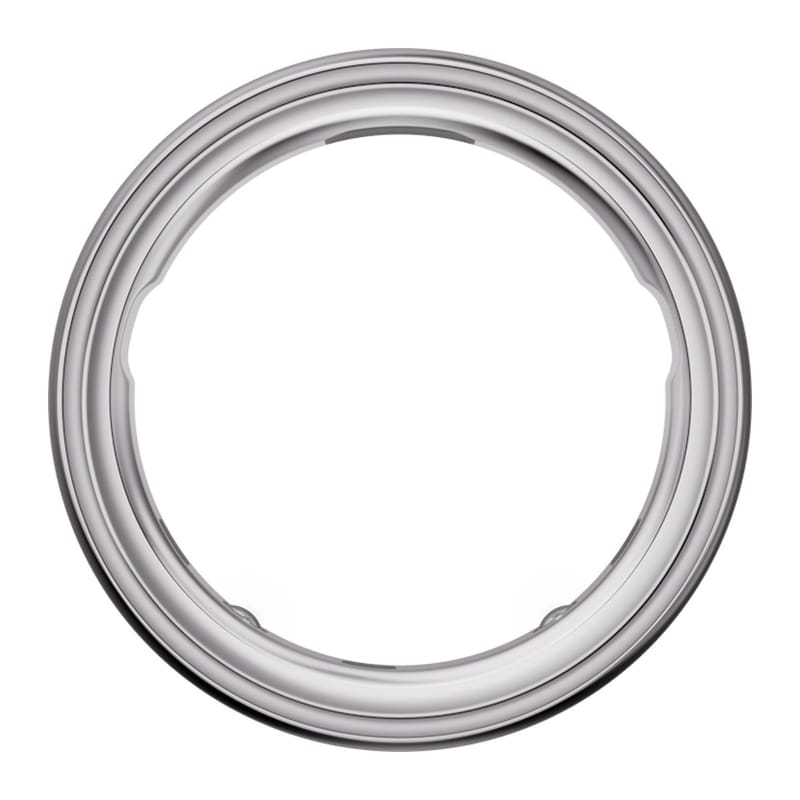
Probably the best sleep data you can pull into Home Assistant from something you wear, but treat the integration as a hobby project: there is no official or built-in Oura integration, only a community HACS component that is explicitly 'not affiliated with or endorsed by Oura'. You also have to create your own Oura developer application and OAuth credentials, and the ring only reaches Home Assistant after it has synced to the phone app and Oura's cloud, so nothing is real-time. Add the ongoing Oura Membership (£5.99/month or £69.99/year per Oura's UK footnote) and the true cost is the ring plus a subscription; without it Oura says the ring has limited functionality.

£349 at Oura

Verified November 2026
Seeed Studio MR60BHA2 60GHz mmWave Breathing and Heartbeat Kit
Native integrationLocal control
  • Zigbee not supported
  • Z-Wave not supported
  • Wi-Fi supported
  • Thread not supported
  • Matter not supported
  • BT supported
  • not supported

The only product in this batch that senses breathing and heart rate without touching the sleeper, and the price is £28.80 at The Pi Hut. The catch is range and placement: vital signs are only reported for one stationary person within about 1.5 m with a stable mount, so it needs to sit on a bedside table or headboard pointing at the sleeper, and a partner in the bed is not handled. Seeed's own wiki warns that fans, air conditioners and moving curtains can produce false heart-rate readings. It is a hobbyist kit, not a medical or consumer sleep tracker.

£28.80 at The Pi Hut

Verified November 2026

Wind down and wake

Light and sound around bedtime

Philips Hue Twilight Sleep and Wake-up Light
Native integrationLocal control
  • Zigbee supported
  • Z-Wave not supported
  • Wi-Fi not supported
  • Thread not supported
  • Matter not supported
  • BT supported
  • not supported

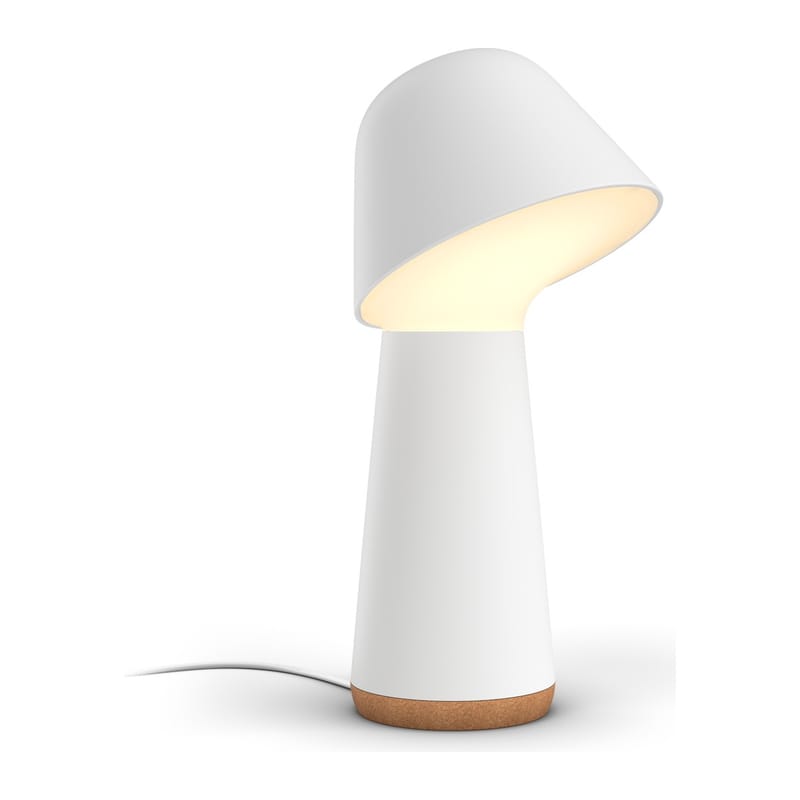
Hue's one purpose-built sleep and wake-up lamp: a bedside lamp with a gradient-washed back light and a front light that can be dimmed very low, designed to run a gentle sunset to switch-off and a sunrise-style wake-up. At £249.99 it costs several times a normal Hue lamp, and the wind-down and wake-up behaviour is the whole point, so buy it only if you will actually use that. The catch for a Home Assistant user is that the polished sleep and wake automations live in the Hue app; HA sees a light and scenes, not a 'sunrise alarm' entity, so you would rebuild the routine in HA if you want it there.

£249.99 at Philips Hue UK

Verified November 2026
Native integrationCloud required
  • Zigbee not supported
  • Z-Wave not supported
  • Wi-Fi supported
  • Thread not supported
  • Matter not supported
  • BT supported
  • not supported

A screen-free children's audio player that doubles as a bedtime device: a full-panel night light, an okay-to-wake light and clock, and separate day and night playlists (Yoto Sleep Radio is the default night title). It is a kids' product first, so do not expect a grown-up white-noise machine. It costs £119.99 and the sleep sounds come from Yoto's own catalogue and cards rather than anything you stream from HA.

£119.99 at Yoto UK

Verified November 2026

Know when the room is occupied

Presence that still sees you lying still

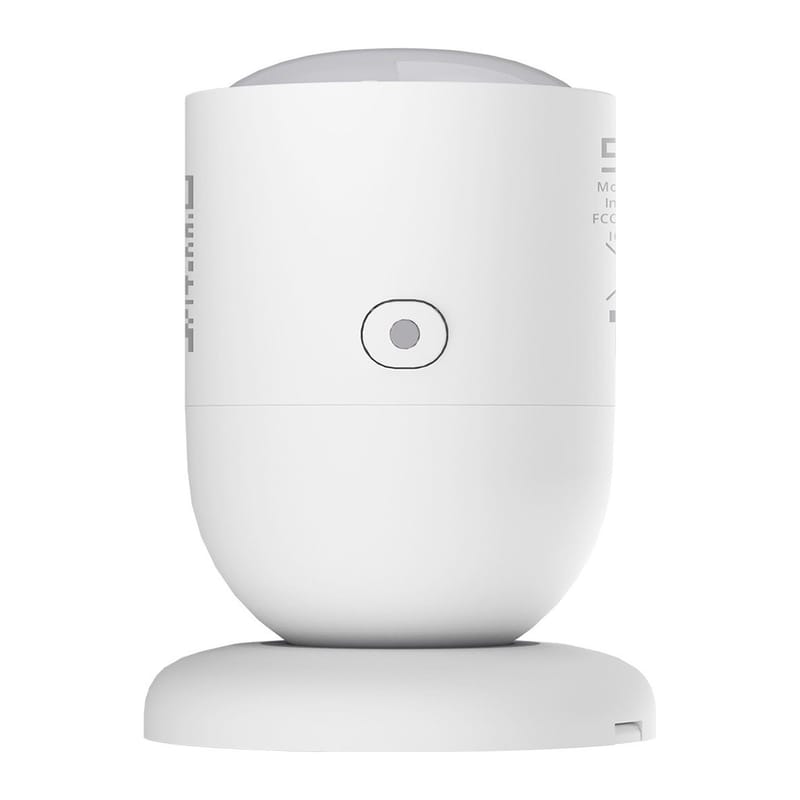
Aqara Presence Sensor FP2
Native integrationLocal control

Aqara

Aqara Presence Sensor FP2

3.8 (2,492 reviews)

  • Zigbee not supported
  • Z-Wave not supported
  • Wi-Fi supported
  • Thread not supported
  • Matter not supported
  • BT not supported
  • not supported

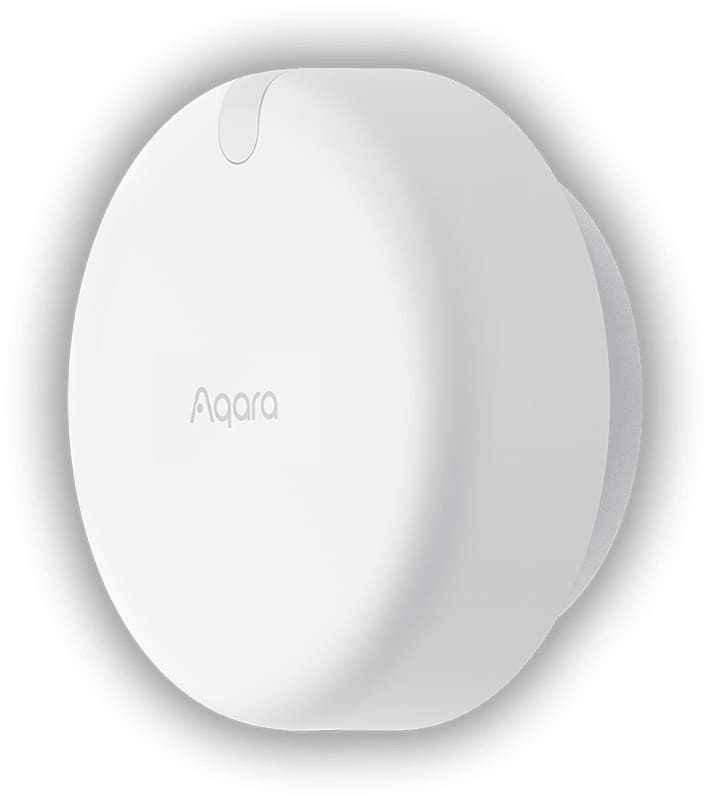
Still the reference mmWave presence sensor for UK living rooms and open-plan kitchens: up to 30 configurable zones across a 40 sqm room (8 m range, 120 degree field of view wall-mounted), so lights never cut out while you sit still. At around £58 it costs roughly £20 more than Aqara's own FP1E, which covers just one zone — pay the premium only if you need per-region control across a large or open-plan space, otherwise the FP1E is the smarter buy. It's mains-powered via USB-C only, no battery, so plan for a socket nearby. Integrates locally with Home Assistant via the built-in HomeKit Device integration over Wi-Fi.

Everything Presence One
Native integrationLocal control

Everything Smart Technology

Everything Presence One

  • Zigbee not supported
  • Z-Wave not supported
  • Wi-Fi supported
  • Thread not supported
  • Matter not supported
  • BT supported
  • not supported

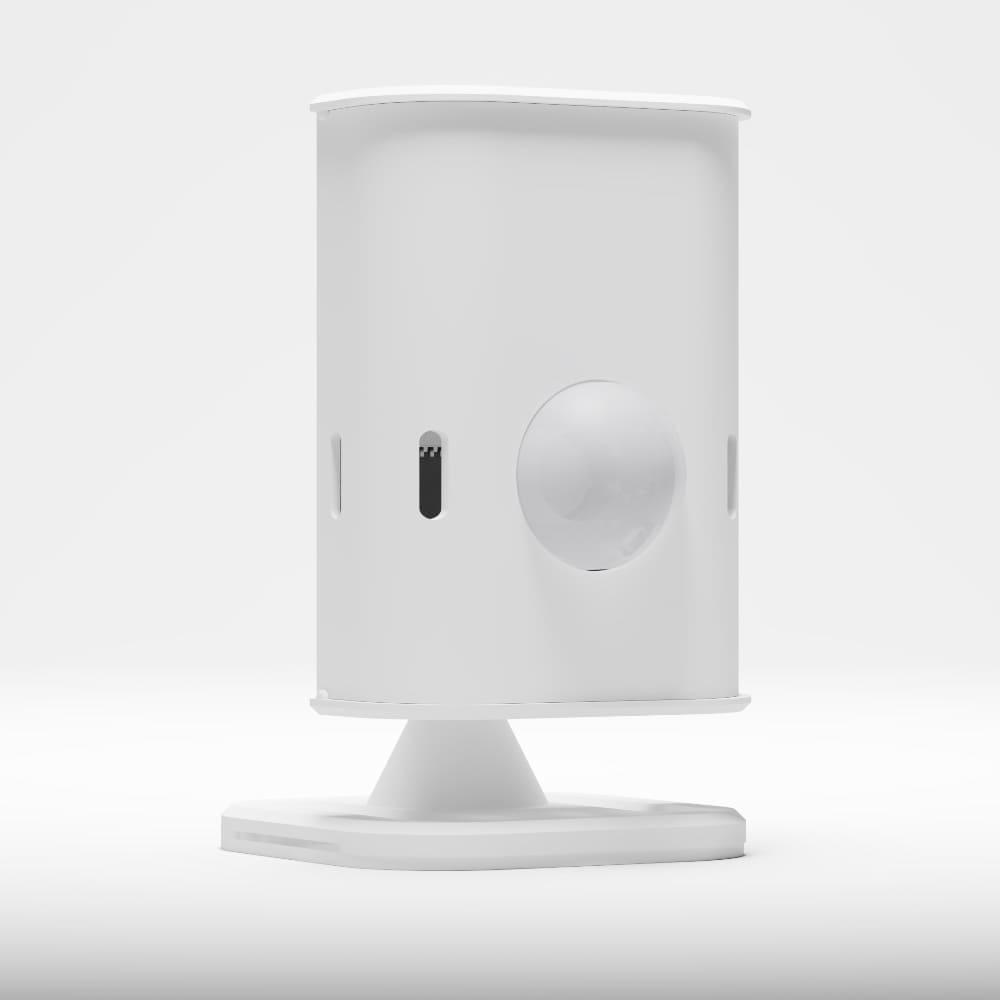
Built by the same UK team that runs the Everything Smart Home YouTube channel, and it shows: the board ships bare with two M3 mounting holes rather than a finished enclosure, so out of the box it's a shelf or wall unit — ceiling mounting means printing a community bracket first. At £47 it undercuts the Aqara FP1E by a few pounds while adding PIR, temperature, humidity and light sensors the FP1E doesn't have, plus fully open-source ESPHome firmware you can fork and re-flash. That openness is the real draw for tinkerers; if you just want a sensor that works, the FP1E's finished case is less fuss.

£47 at Everything Smart Home

Verified November 2026
Works with HALocal control

Everything Smart Technology

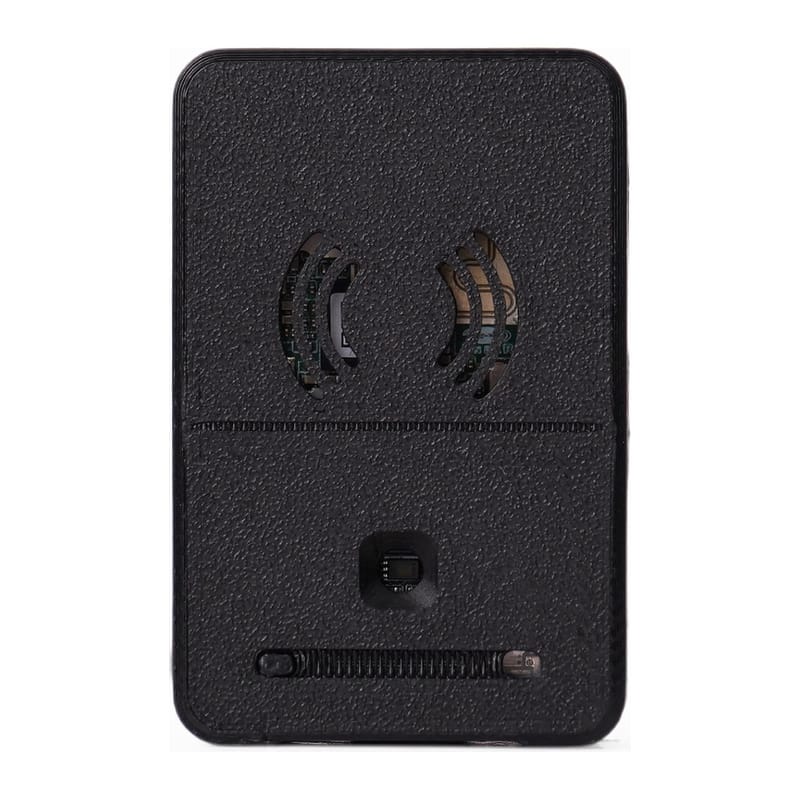
Everything Presence Pro

  • Zigbee not supported
  • Z-Wave not supported
  • Wi-Fi supported
  • Thread not supported
  • Matter not supported
  • BT supported
  • supported

The bedroom-grade option in the Everything Presence range, mainly because of the static-presence radar: the 25 m SEN0609 module is the one that keeps reporting someone lying still under a duvet, where a PIR gives up. The second LD2450 radar tracks up to three moving targets, so you can draw a zone over the bed and a separate one for the doorway or bedside. At £67 it is the dear end of DIY presence sensors, and it is a plug-in board rather than a polished appliance, so expect to tune sensitivity and zones. It is on back order at the time of checking, with the shop quoting 11 November 2026.

£67 at Everything Smart Home

Verified November 2026
SONOFF SNZB-06P
Zigbee2MQTT / ZHALocal control
  • Zigbee supported
  • Z-Wave not supported
  • Wi-Fi not supported
  • Thread not supported
  • Matter not supported
  • BT not supported
  • not supported

Cheap Zigbee human-presence sensor for around £20 that detects both movement and a still person, which a PIR motion sensor cannot. It uses a 5.8GHz microwave radar, not true mmWave, and is mains/USB-powered (USB-C 5V), so it suits a desk, a bathroom or a landing where you can run a cable, not a battery-and-stick placement. Range is around 4m. In Zigbee2MQTT it is a simple occupancy sensor with timeout and sensitivity settings; that is all it does, with no zones or distance reporting like the pricier FP2 and FP300. Check the firmware: Zigbee2MQTT recommends 1.0.5 or later for reliable behaviour. Not to be confused with the SNZB-06P24 24GHz model.

View at Amazon UK

Verified November 2026

Fix the room itself

Temperature, air and the bed

HACS componentCloud required
  • Zigbee not supported
  • Z-Wave not supported
  • Wi-Fi supported
  • Thread not supported
  • Matter not supported
  • BT not supported
  • not supported

A water-cooled and heated mattress cover with a Hub that sits under the bed, with a community Home Assistant integration as the main route in. It is also by far the most expensive and most awkward item in this collection. The integration is a community HACS project that talks to Eight Sleep's cloud with your account login, Home Assistant core only has a stub, and I could not confirm any community integration explicitly supports the Pod 6. Eight Sleep also makes an Autopilot membership part of the purchase (from £199 a year per its UK page), so budget for that on top of the hardware.

View at Eight Sleep UK

Verified November 2026
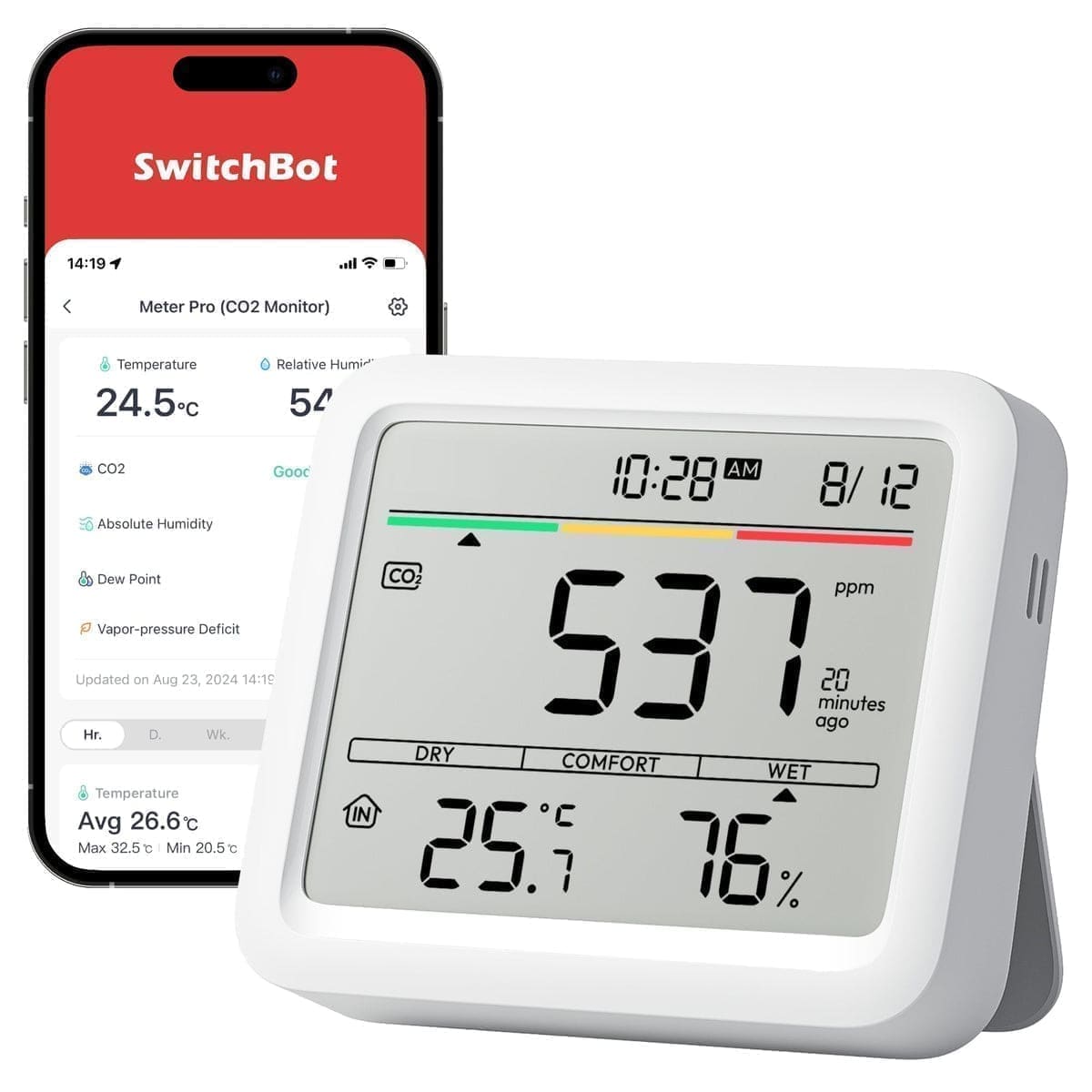
SwitchBot Meter Pro CO2
Works with HALocal control
  • Zigbee not supported
  • Z-Wave not supported
  • Wi-Fi not supported
  • Thread not supported
  • Matter not supported
  • BT supported
  • not supported

The affordable route to CO2 monitoring: a genuine NDIR sensor (Sensirion SCD40) plus temperature and humidity on a big desk display for around £60 — half the price of an Aranet4. Reviewers cross-checking it against calibrated meters report readings within about 5%, respectable for this price. The catch is Bluetooth: it only talks to whatever's nearby, so anywhere outside your HA host's BLE range needs an ESPHome proxy or USB Bluetooth adapter in the same room. Best sited in a bedroom or home office, where stale air affects sleep and focus — keep it on a desk away from doors and vents, not a draught. No SwitchBot hub required.

£59.99 at Amazon UK

£59.99 at SwitchBot UK

Verified November 2026
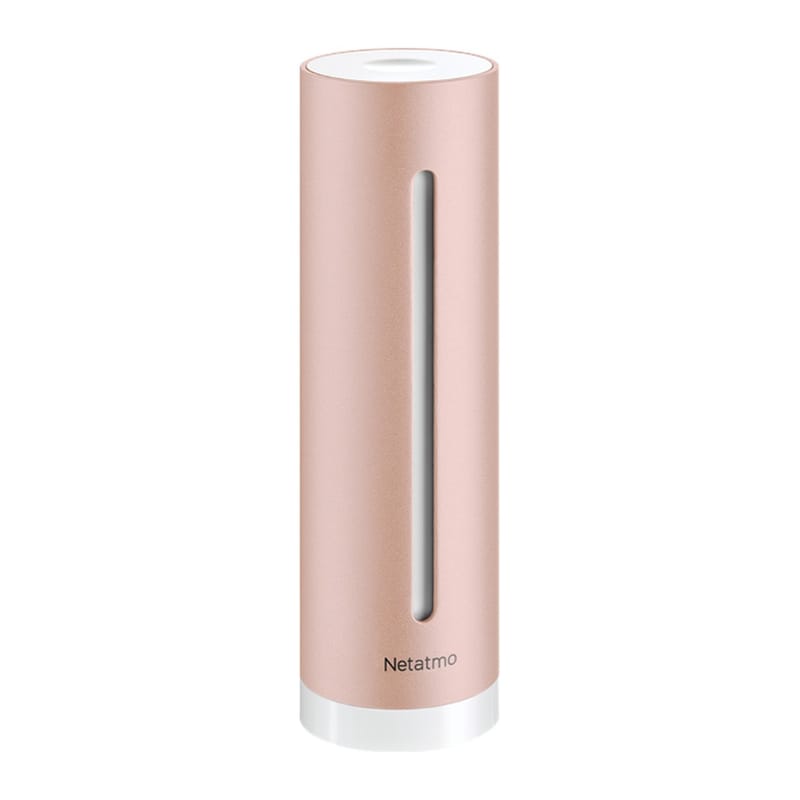
Netatmo Smart Indoor Air Quality Monitor
Native integrationCloud required
  • Zigbee not supported
  • Z-Wave not supported
  • Wi-Fi supported
  • Thread not supported
  • Matter not supported
  • BT not supported
  • not supported

A tidy bedroom monitor that tracks temperature, humidity, CO2 and noise, with the noise reading being the unusual one for sleep: you can see whether a 3am spike coincided with a restless night. It is a cloud product, so readings go through Netatmo's servers, and the UK page showed it as 'Out of stock' at £109.99 when checked. Netatmo offers an app with Asthmatic, Baby and Family profiles, but the HA integration only gives you raw sensor values.

£109.99 at Netatmo UK

Verified November 2026
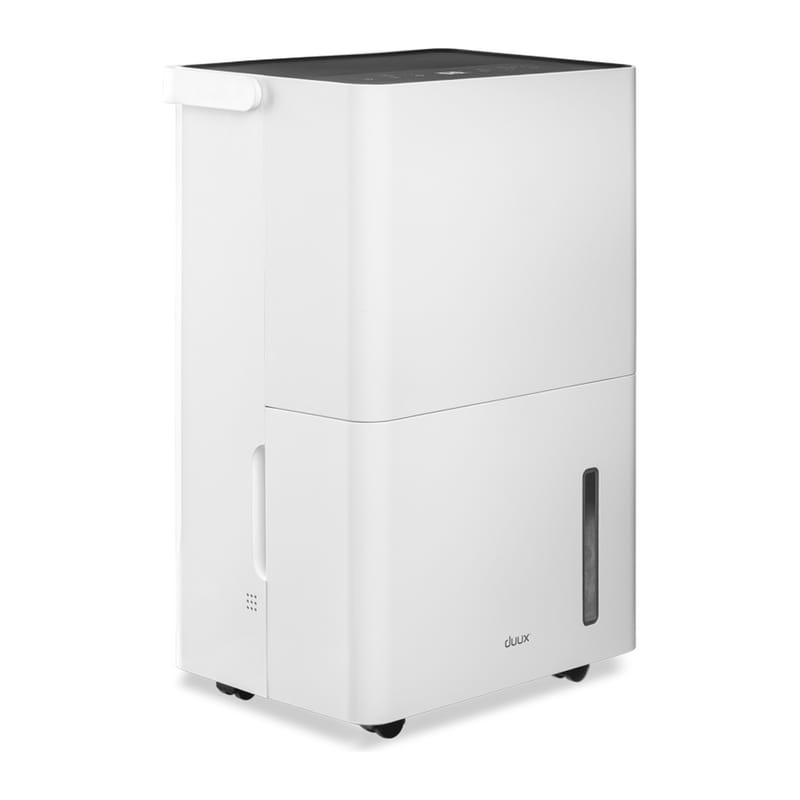
Duux Bora Smart 20L
HACS componentCloud required
  • Zigbee not supported
  • Z-Wave not supported
  • Wi-Fi supported
  • Thread not supported
  • Matter not supported
  • BT not supported
  • not supported

A quiet 20 L/day dehumidifier with no official Home Assistant route: the community Duux integration (installed through HACS) lists the Bora and talks to Duux's cloud, so it works only while Duux's servers do and it is unaffiliated with Duux. Dunelm's UK page prices it at £300 and lists a 4 L tank, 36 dB night mode, a carbon filter and rooms up to 40 m². Model ambiguity: the integration lists the 'Bora Dehumidifier (2024)', and the retailer pages we fetched give no model code, so confirm your unit matches.

View at Amazon UK

Verified November 2026

How to read the labels

Native integration means Home Assistant ships the integration itself. Works with HA means the maker certifies it. HACS component and Zigbee2MQTT / ZHA are community routes you set up yourself, and they can break when the maker changes something. Cloud integrationmeans the device only works through the maker's service.

Local controlmeans Home Assistant controls the device on your own network, so it keeps working if your internet or the maker's service goes down.

An example bedtime automation

Cloud sleep data arrives after the fact, so build bedtime routines on a local presence sensor and use the sleep devices for tracking.

  1. Trigger: the bedroom presence sensor reports the room occupied after 22:00.
  2. Dim the bedside light to a low level and turn off the main light.
  3. Lower the bedroom radiator valve by a couple of degrees for the night.
  4. In the morning, bring the lights up gradually before your alarm.
Affiliate disclosure: Some links in this article are affiliate links. If you buy via one of these links, we may earn a small commission at no extra cost to you. As an Amazon Associate, we earn from qualifying purchases. This never affects our editorial decisions — see our affiliate policy.